Leopard Gecko Morphs & Genetics
Below are the leopard gecko morphs, lines, traits and genes that we currently have in our collection. I’ve included info on gene inheritance mechanisms, some history and so on. For more in-depth information and comprehensive lists of genes, polygenic traits and proven lines, please see Resources and References for some great places to start! I’ve included geckos with examples of traits, often in combinations with others, below. Our collection only represents a fraction of the diversity and variability of leopard geckos and their genetics. Missing from below are Albey and TUG Snows, Charcoals, Blue Spot Eclipses, Green & Tangerine, and on and on and on. This is not at all or anywhere close to an extensive list!
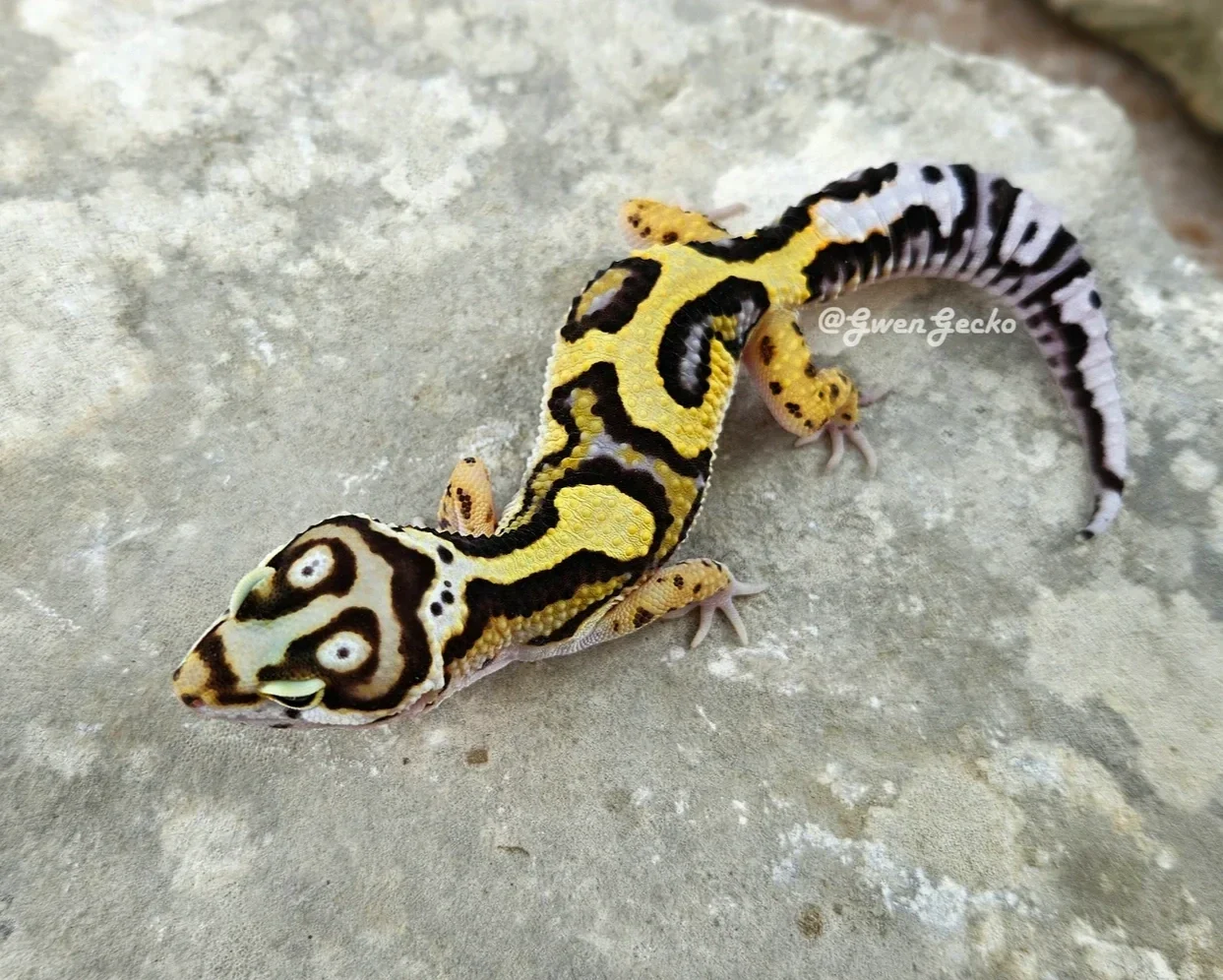
Fig. 1. Topaz - White and Yellow Tremper Albino Bandit from RS lineage and our DB project.
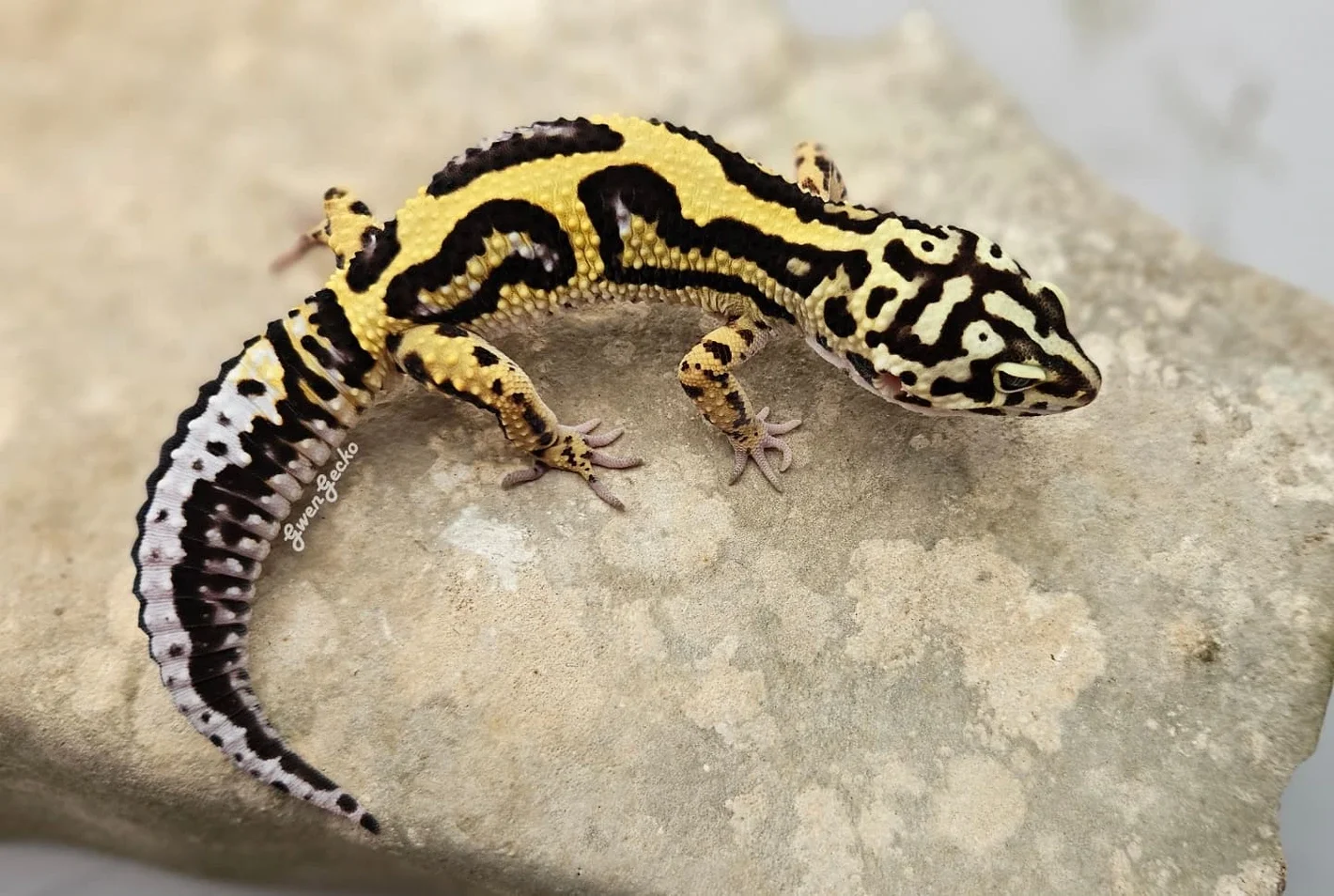
Fig. 2. Cashew - Dark Striped Tremper Albino Bandit
Fig. 3. Maya - White and Yellow Red Stripe Reverse Striped Tremper Albino
Fig. 4. Laurel - White and Yellow aberrant Mack Snow het RAPTOR
Polygenic Traits, Morphs, & Lines
A polygenic trait does not have a single mode of inheritance, rather many different combinations of genes contribute to the overall look of the morph. A morph describes a phenotype (how the gecko looks visually) that can be just one gene or polygenic, and a line is a group of phenotypically unique geckos of that has been worked on by a breeder and refined over time and many generations. I.e. Tangelo is a line of Tremper albinos (see Recessive Traits below). See Introduction to genetics (wiki page) for more info on the basic principles of heredity.
Banded, striped, reverse stripe, & aberrant are all polygenic traits that describe how the markings and pattern are expressed along a leopard gecko’s head, body, and tail. A banded leo (Fig. 1. Topaz) has bands that run across its body and is one of the most common wild type patterns seen. A striped leo (Fig. 2. Cashew) has bold stripes running down along a gecko’s sides, while a reverse stripe leo (Fig. 3. Maya) has a stripe (or pair of stripes) running down a gecko’s dorsal/back.
An aberrant leopard gecko has irregular patterning along the body OR tail, but not both (Fig. 4. Laurel ). The circle back is an irregular banding pattern that is fairly common, especially in juveniles, and looks like a circle on the gecko’s back. And a Jungle leopard gecko (Fig. 5. Coriander) has a pattern that is irregular on the body and tail, and is a morph first developed in 1991 by Ron Tremper.
Eyespots are very common in babies and juveniles and resemble a pair of eyes on the top of the head, which is likely an evolutionary advantage in the wild, thus why it’s so common. Many geckos lose them as they grow, however, as their pattern comes in. This trait is strongly represented in our Bandit project on into adulthood (Fig. 5. Coriander).
Bold is a polygenic trait where markings are much darker than on a normal leo (Fig. 6. Teddy).
Fig. 5. Coriander - Jungle Bandit het Tremper with eye spots & circle back pattern
Fig. 6. Teddy - Bold Bandit het Tremper
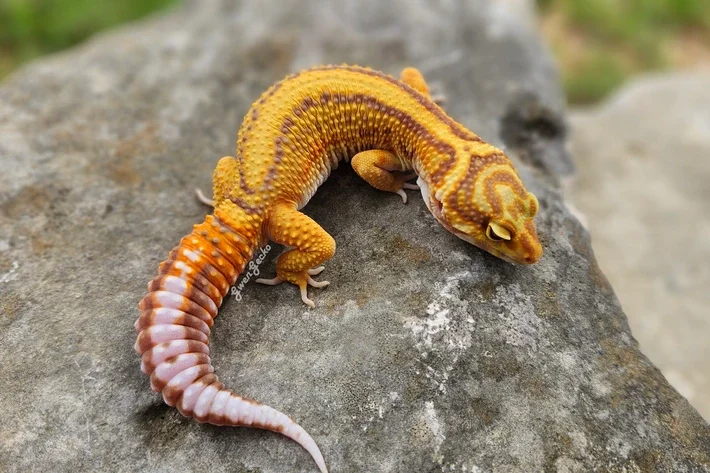
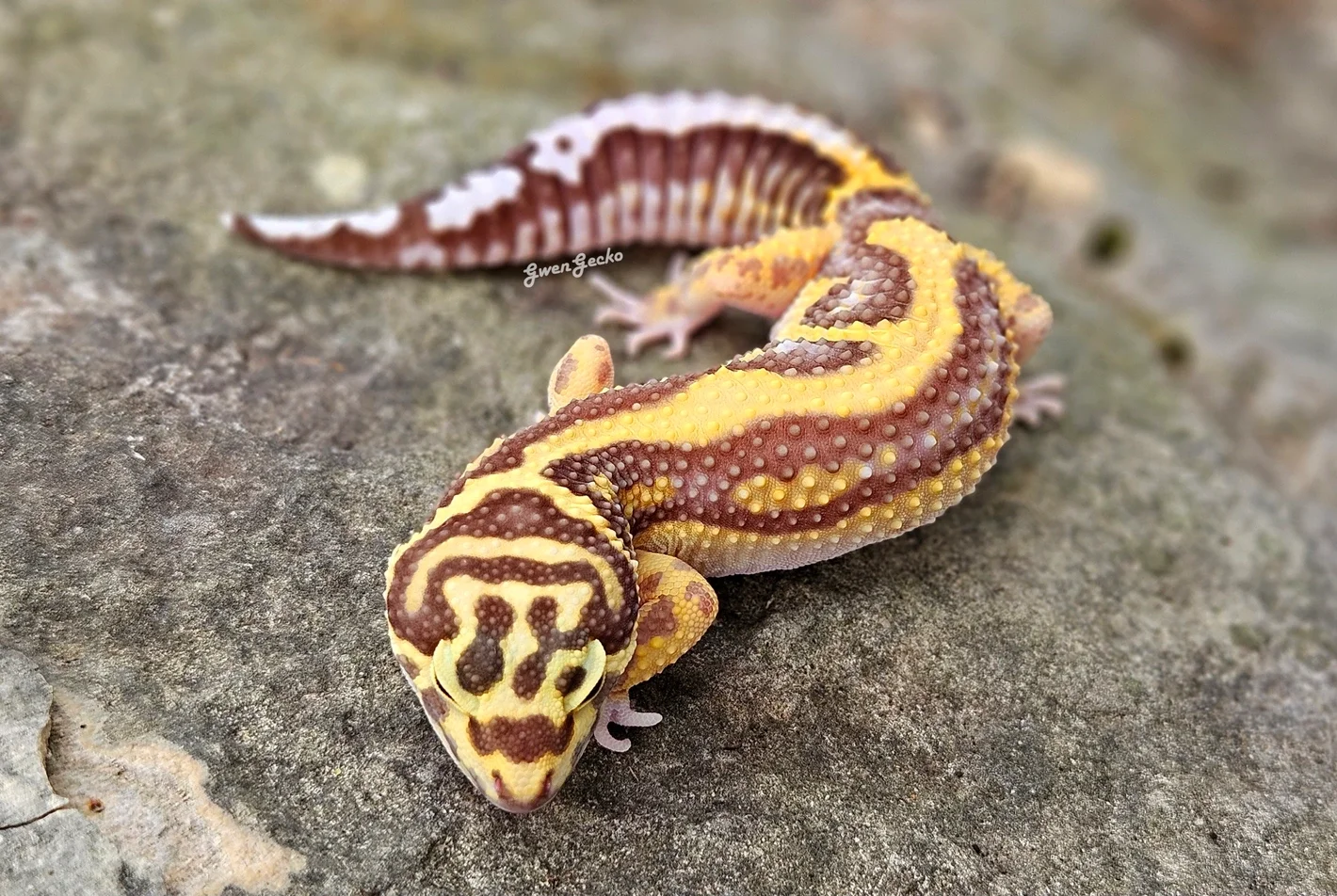
Fig. 7. Nacho - Bold Tangerine Rainwater albino (Firewater x Firebold lines)
Fig. 8. Gillian - Dark Tremper Albino Bandit
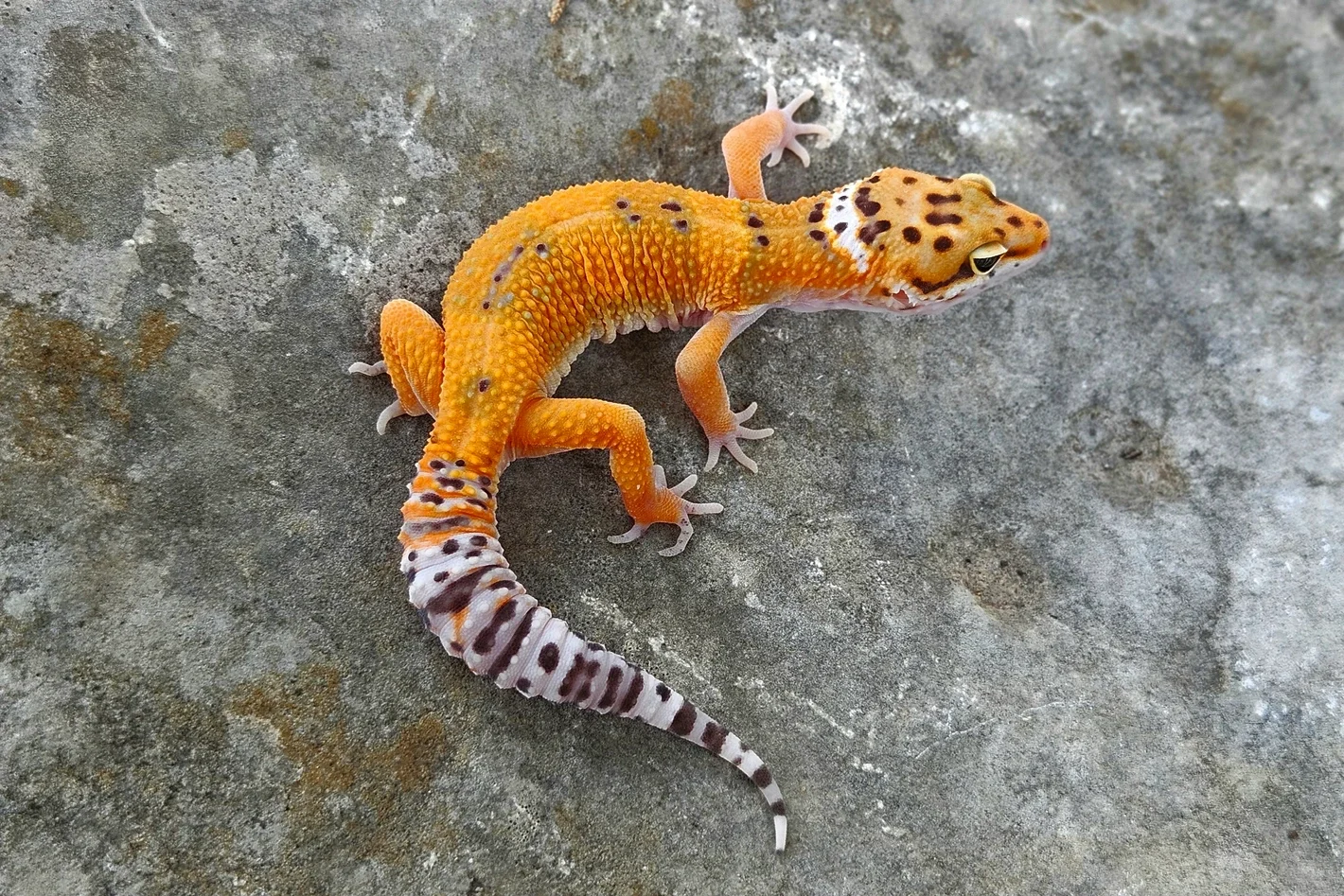
Fig. 9. Borage - Hypo Lavender Tangerine Cross (Clown, Lavender, Electric & PH lines)
Fig. 10. Sprocket - Super Hypo Tangerine Carrot Tail Baldy (SHTCTB) from 2009!
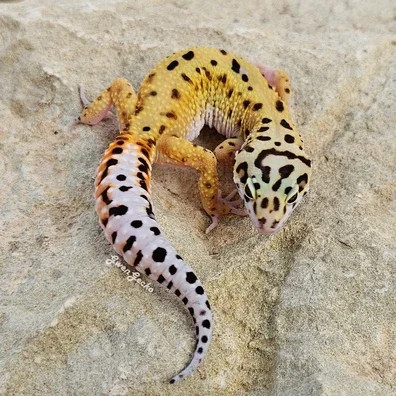
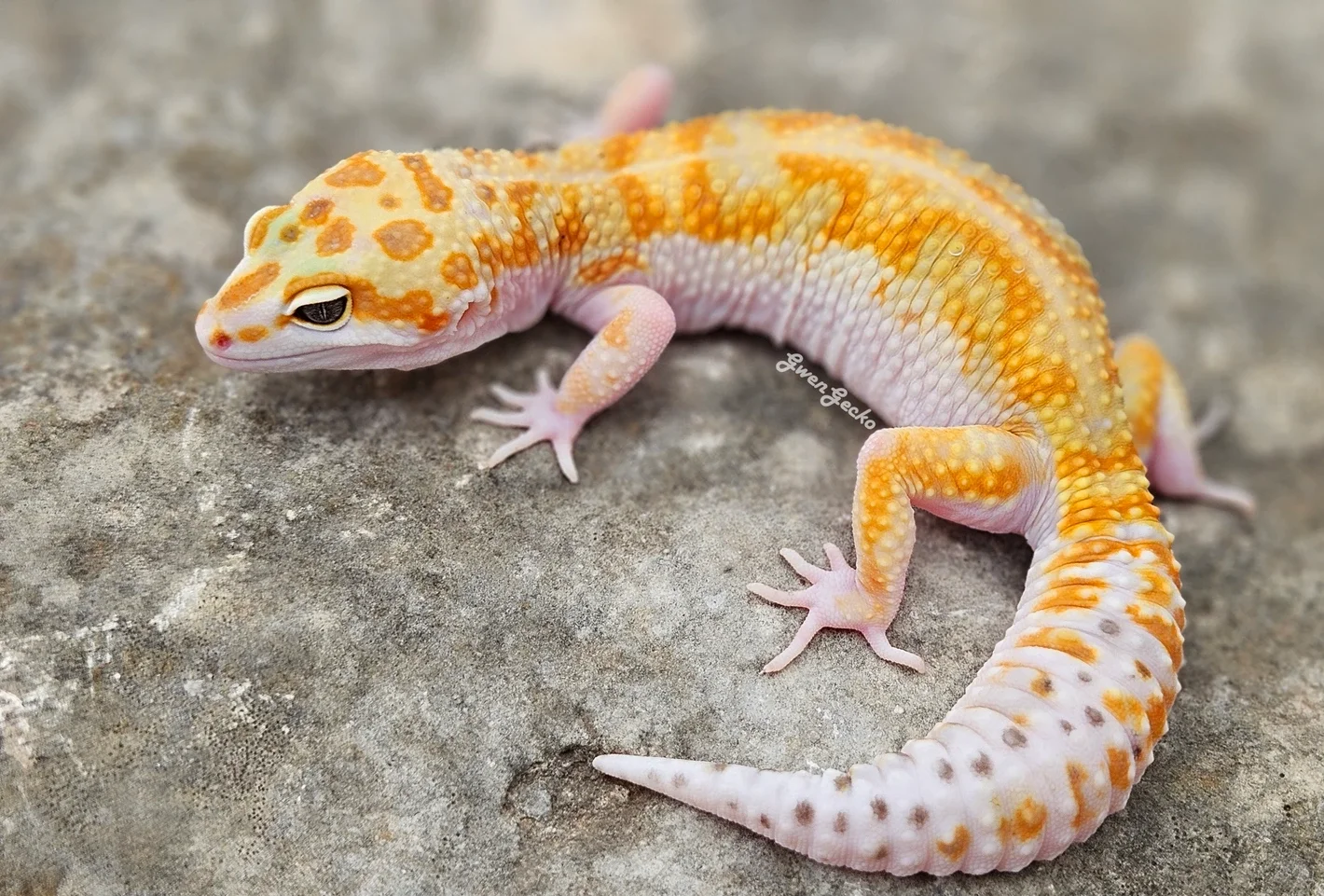
Fig. 11. Gravy - White & Yellow Tangerine Hyper Xanthic cross het Tremper
Fig. 12. Ellora - White & Yellow Emerine G-Project Cross
Fig. 21. Skadi - Gecko Gallery Line Bold Lavender Stripe
Fig. 22. Ophelia - Dragoon Gecko line Dark Lavender Stripe
Fig. 23. Allistar - Dragoon line Ghost Lavender Jungle
Fig. 24. Rowdy - JMG line lavender stripe (in sed in the picture).
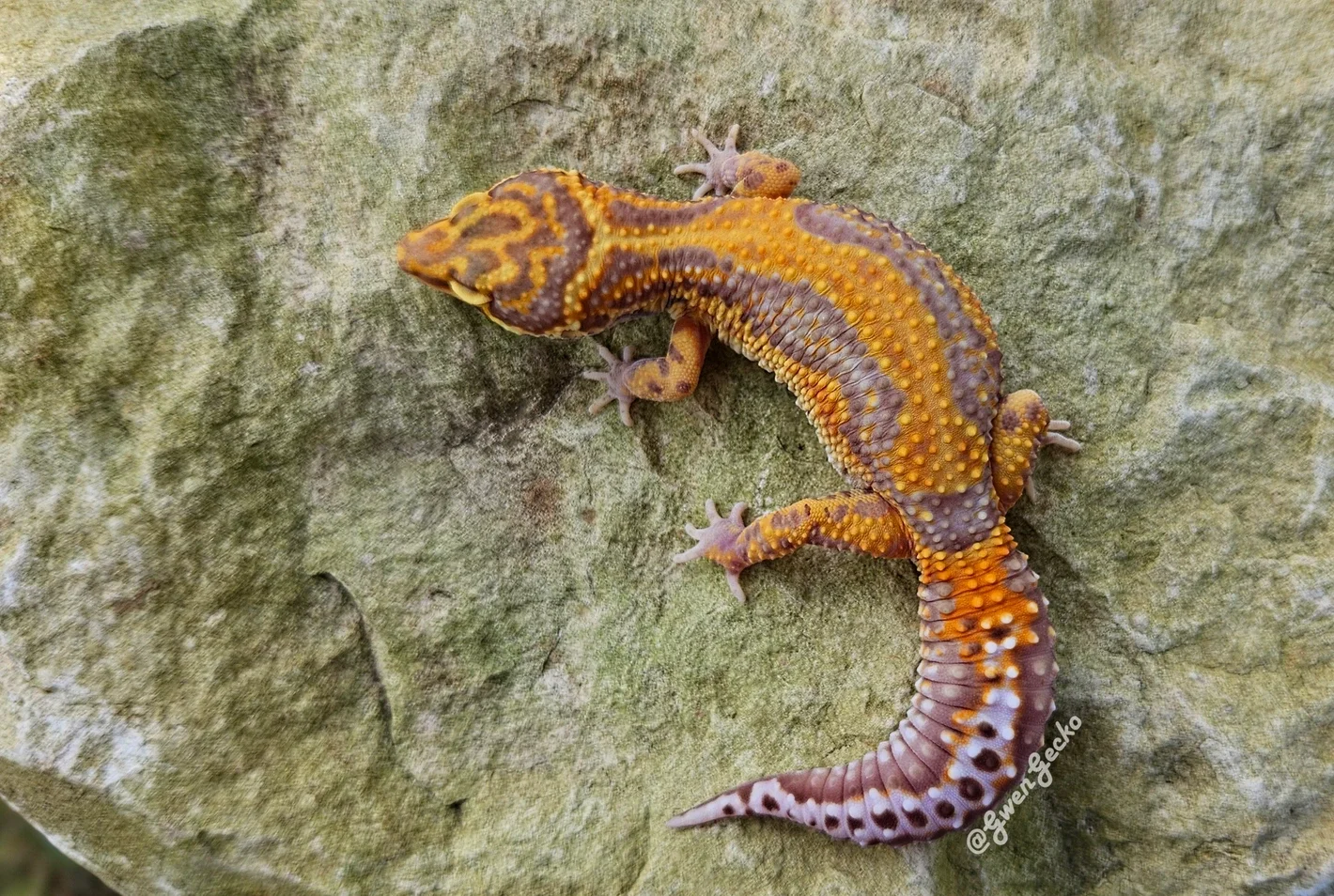
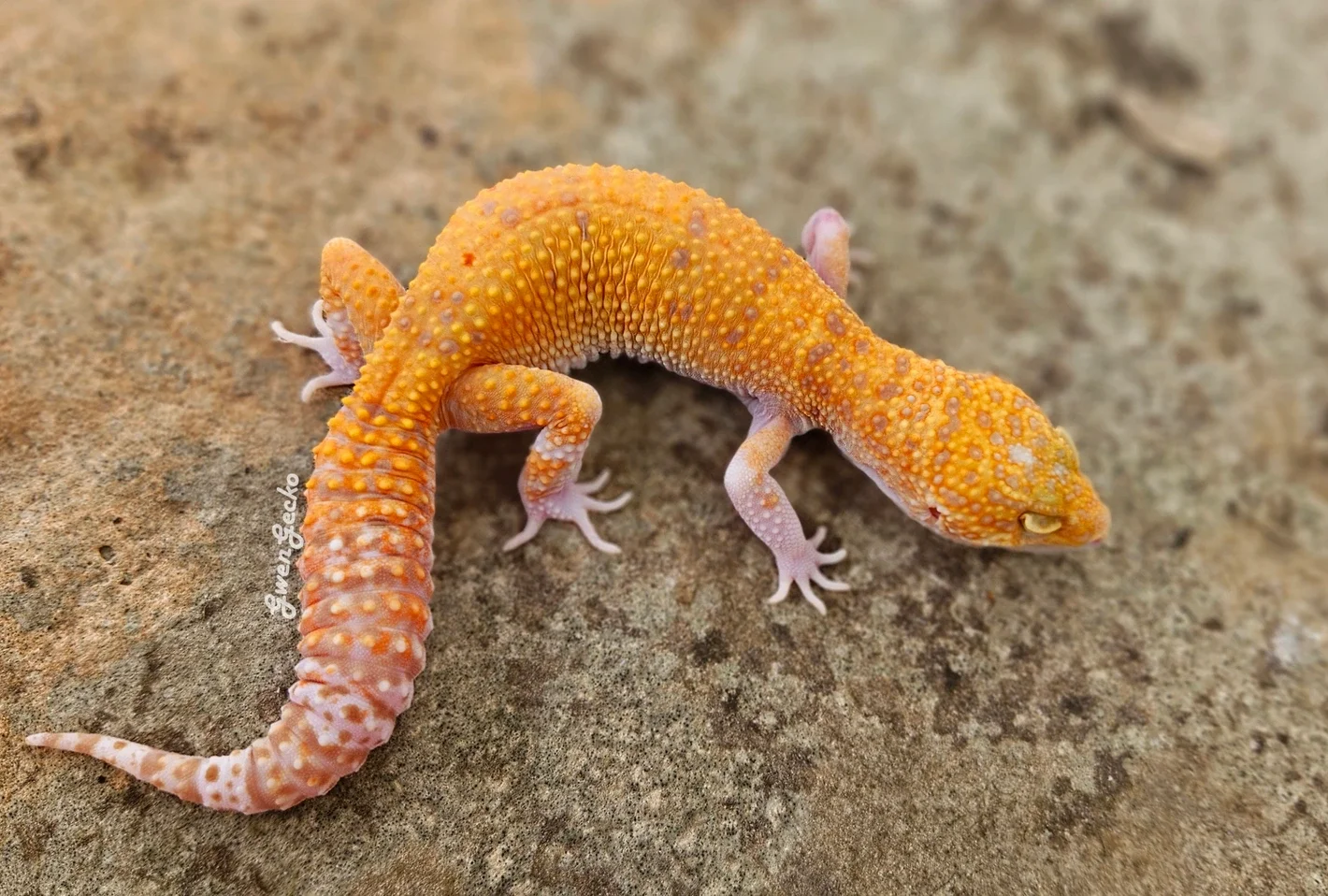
Fig. 27. Heather - Dragoon Gecko Ghost Eclipse
Fig. 28. Atom - Paradox White and Yellow Rainbow Stripe Cross
Fig. 29. Paris - Lavender Gem Snow Bell Albino
Fig. 30. Lorelei - Giant Mack Snow Eclipse Fasciolatus cross (Godzilla line)
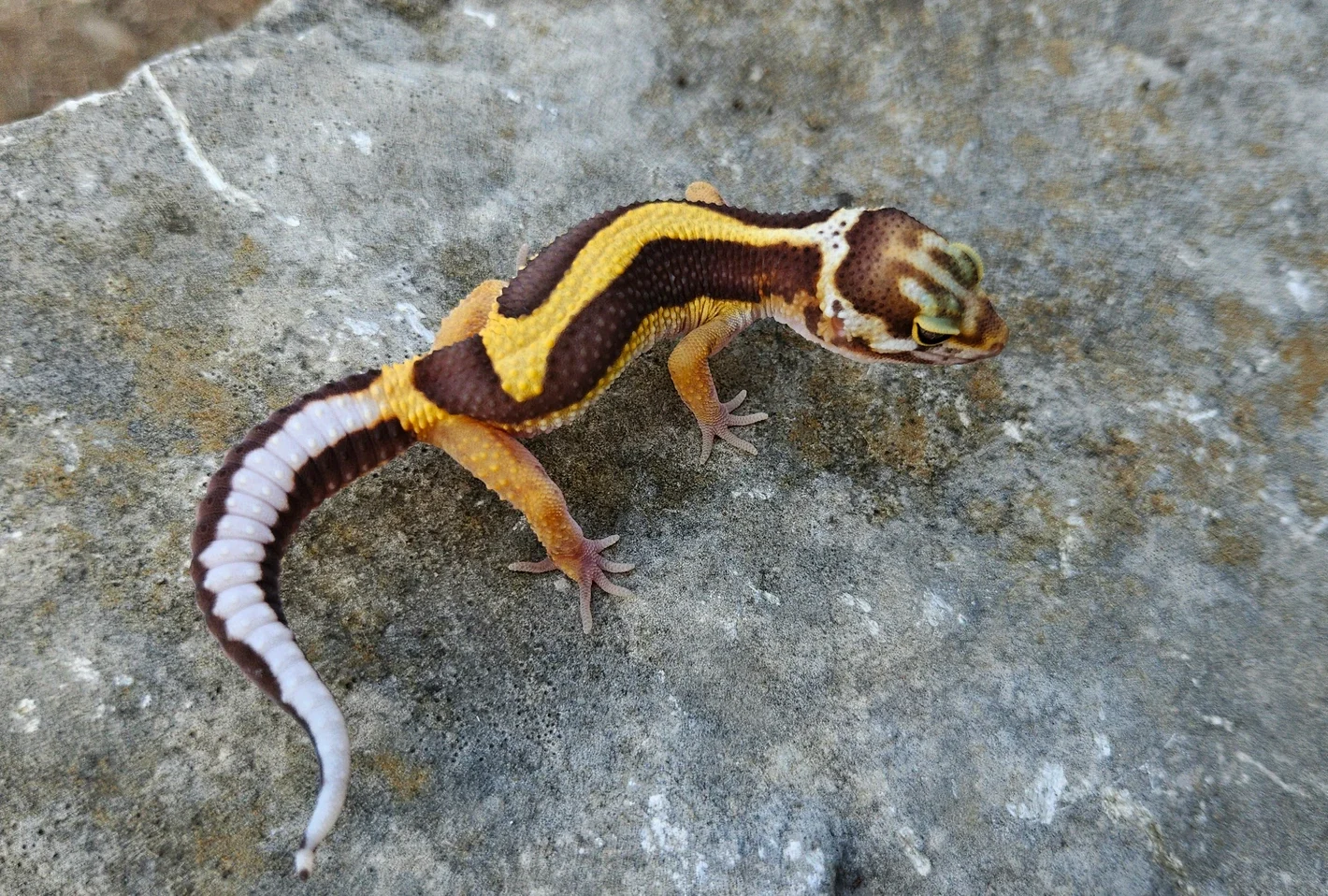
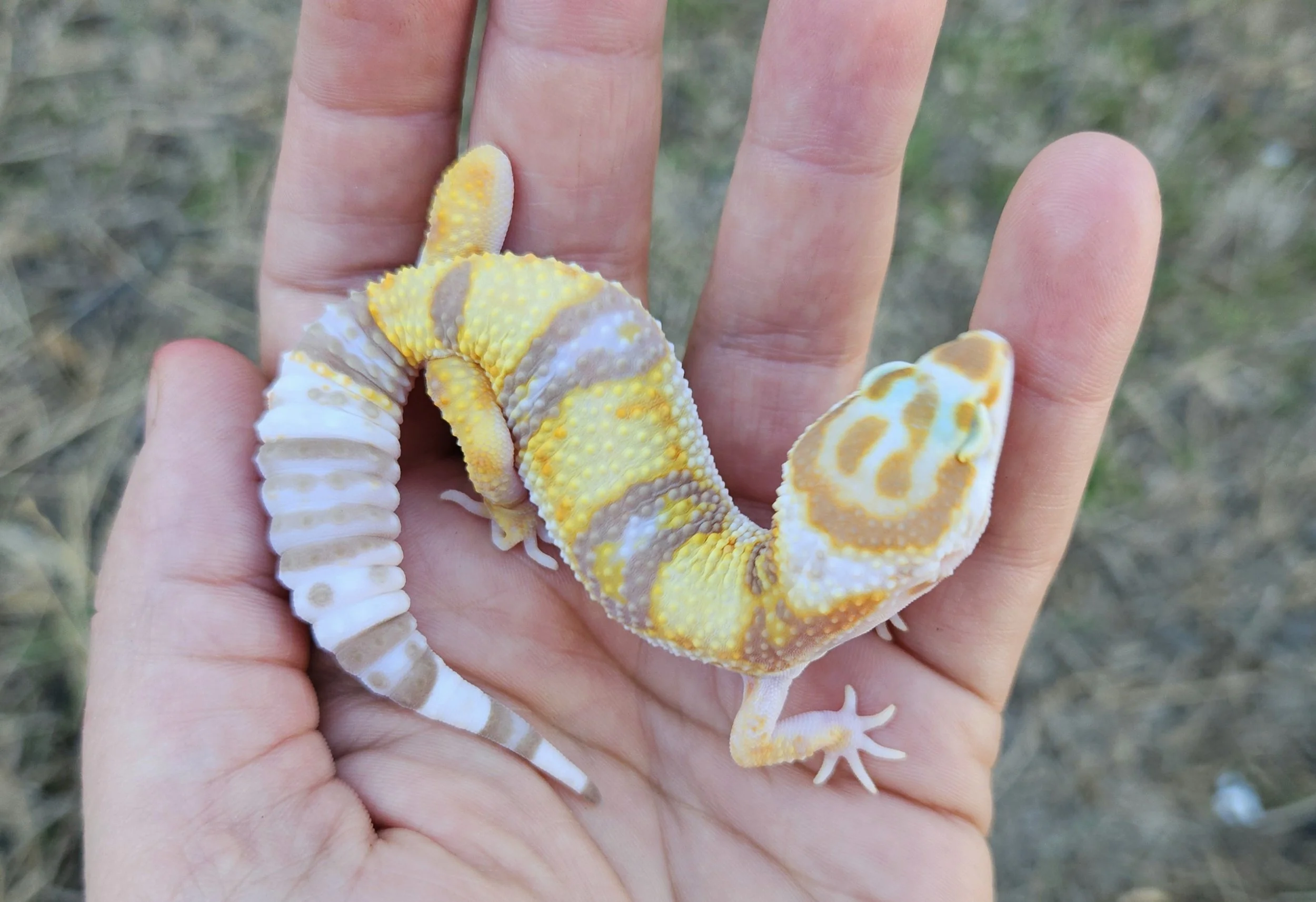
Firebold is a line of tangerine bolds started by Carlo Maia in 2013 and later taken on by Geckoboa (Fig. 7. Nacho). Many firebolds have a distinctive striped pattern.
Bandit is a line of bold leopard geckos established by Ron Tremper where geckos have a distinctive band across the nose (Fig. 8. Gillian). Bold Bandits are Bandits that do not have the band across the nose (See Fig. 7. Teddy again). This is the line that Cinnamons/Desert Bolds popped out of (See below).
Hypo describes the lack of pattern along a gecko’s body (Fig. 9. Borage), while a super hypo lacks pattern along the body and head (note that the word “super” used here does not refer to a homozygous incomplete dominant trait). My first leo was a SHTCTB named Sprocket that I got in 2009 (See Fig. 10. Sprocket!).
Hyper Xanthic (HX) is a yellow color line established by JMG Reptile in 2002 that greatly increases yellow pigment and marking contrast (Fig. 11. Gravy). Some of the prettiest Snows are also Hyper Xanthic.
Emerine geckos have areas on the head, tail and/or body that take on a greenish color, and the G-Project (Fig. 12. Ellora), started by Matt Baronak of SaSobek Reptiles in 2006, is one of several established emerine lines. The “G” in the name of the project comes from “Gatorade” and not “Green,” as many people think.
Fig. 13. Melody - Electric x Hot Geckos tangerine cross with a carrot tail.
Fig. 14. Cardamom - Purple Head x Clown cross
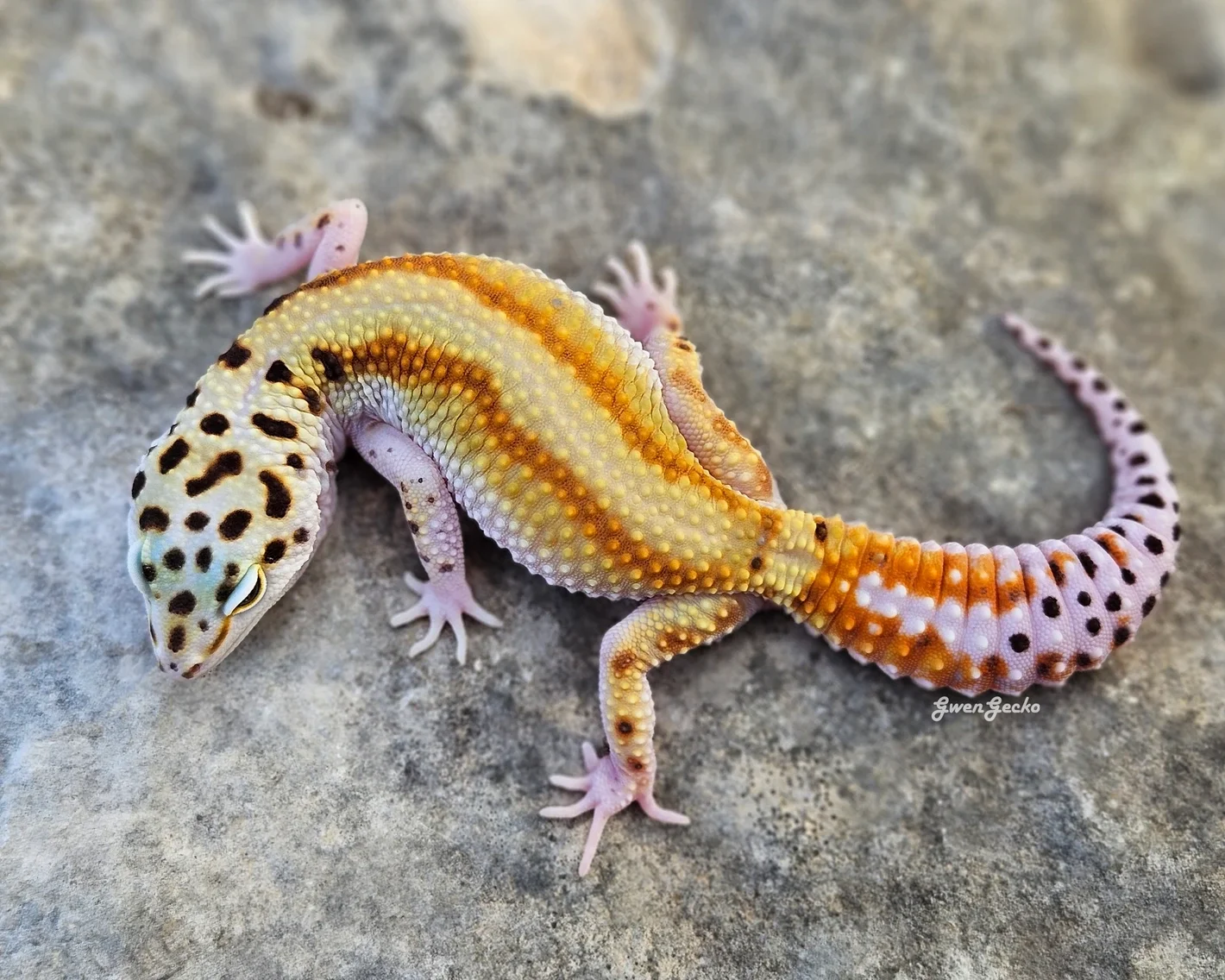
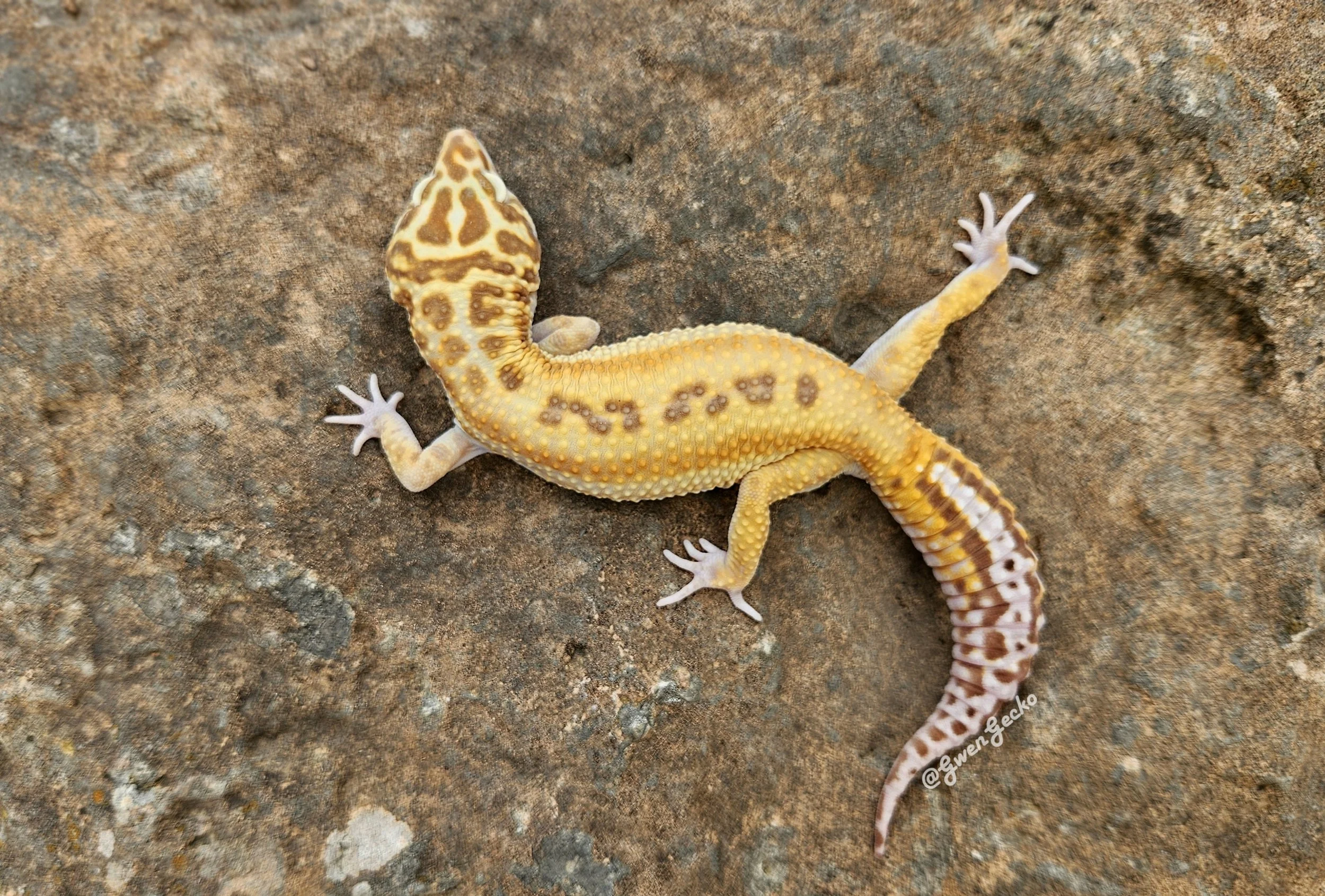
Fig. 15. Sparrow - White and Yellow Red Stripe het Tremper
Fig. 16. Apollo - Rainbow Stripe Tremper Albino
Fig. 17. Pacha - Purple Head with no known traits
Fig. 18. Oberon - Blood Joker x Atomic Clown no known hets
Carrot tail describes where at least 30% of the tail is tangerine (Fig. 13. Melody). Cardamom (Fig. 14.) has an exceptional carrot tail coming in, the color is nearly red. She is one of my best tangerines and is a Clown x Purple Head cross from 2025. This particular cross from Tatiana x Pacha has produced incredible tangerines!
Red Stripe is another polygenic morph that is one of my favorites. They were first established by High Quality Reptiles as the “Red Racing Stripe.” Red stripes are usually yellow or orange in body coloration with a pair of rusty orange/red/tangerine stripes along their dorsal or upper laterals (Fig. 15. Sparrow).
Rainbows are a line of striped and reverse striped geckos originally developed by A&M Geckos and improved upon in several lines including Sykes Rainbow and Rainbow Bandits. Our Apollo is a Rainbow Stripe Tremper (Fig. 16. Apollo).
Tangerine Lines
Clown/Joker line tangerines began at SaSobek’s in 2012 by crossing G-Project animals to high contrast Electric tangerines (Fig. 18. Oberon). Clowns are a beautiful tangerine that are incredibly variable. Many have rusty red markings and stripes with emerine; they are one of my favorites. Excellent video by Enso’s Geckos on the G-Project Clown: The G-Project Clown | Morph History
Hot Geckos line of glowing tangerines were developed by Dan Lubinsky from a pair he obtained in 1995. The Electric (aka HISS) line of bright neon tangerines was developed by Kelli Hammack of HISS (See. Fig. 13. Melody again).
Purple Head tangerines are a deep red-orange on a lavender body and so naturally are one of my absolute favorite tangerines. They were started in 2010 and established over the years by Geckoboa (Fig. 16. Pacha).
Blood tangerines are JMG’s line of tangerines that were started in 2002, and Atomic line tangerines were started by Texas Lizard Connection and later popularized by Matt Baronak (Fig. 17. Oberon). Oberon came from a Blood Joker x Atomic Clown cross, combining several high end tangerine lines into one.
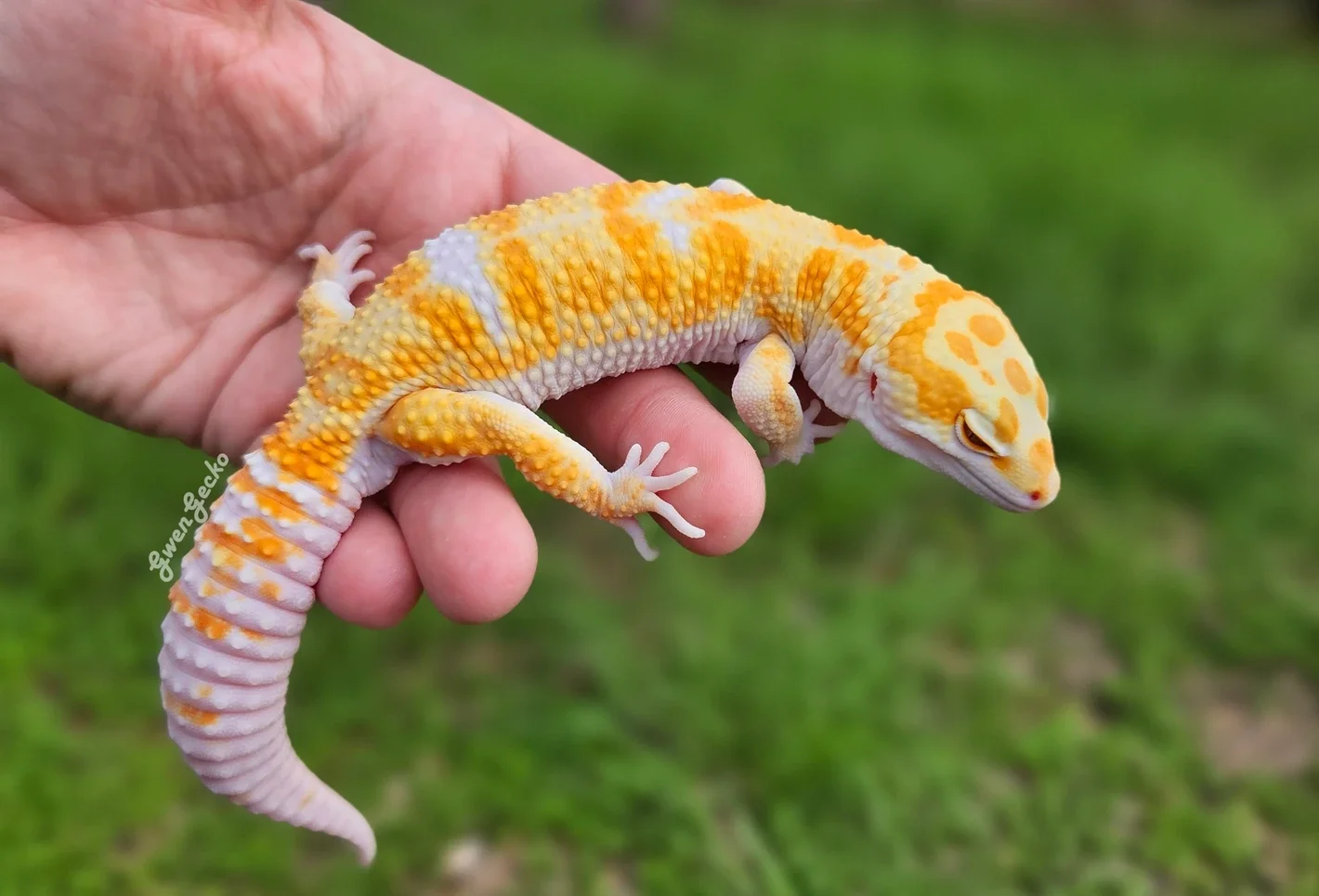
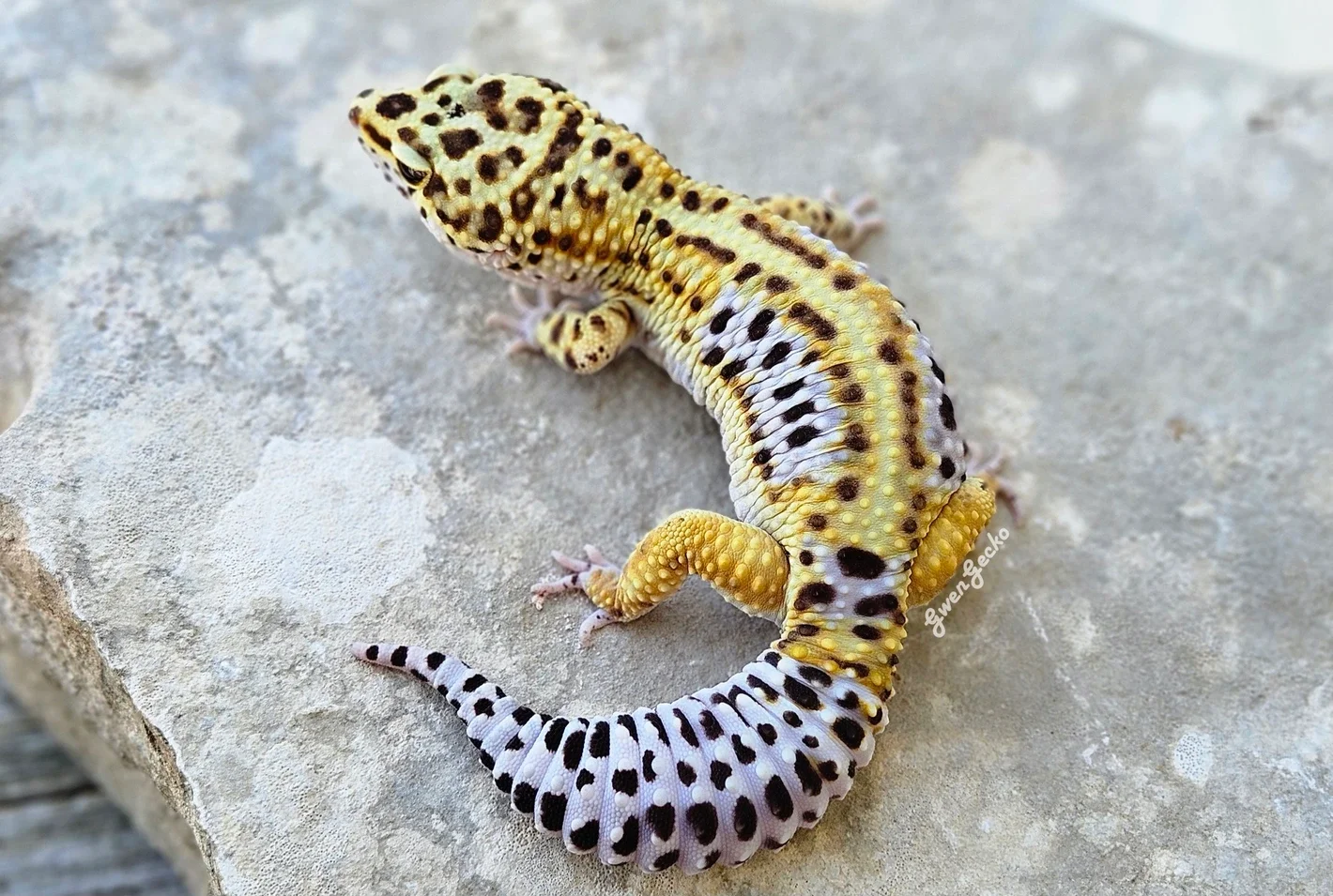
Fig. 19. Luca - Giant White & Yellow Mack Snow Tangerine from Tangelo & Blood lineage
Fig. 20. Dante - Lavender Stripe from Blood x Lavender Stripe het Bell
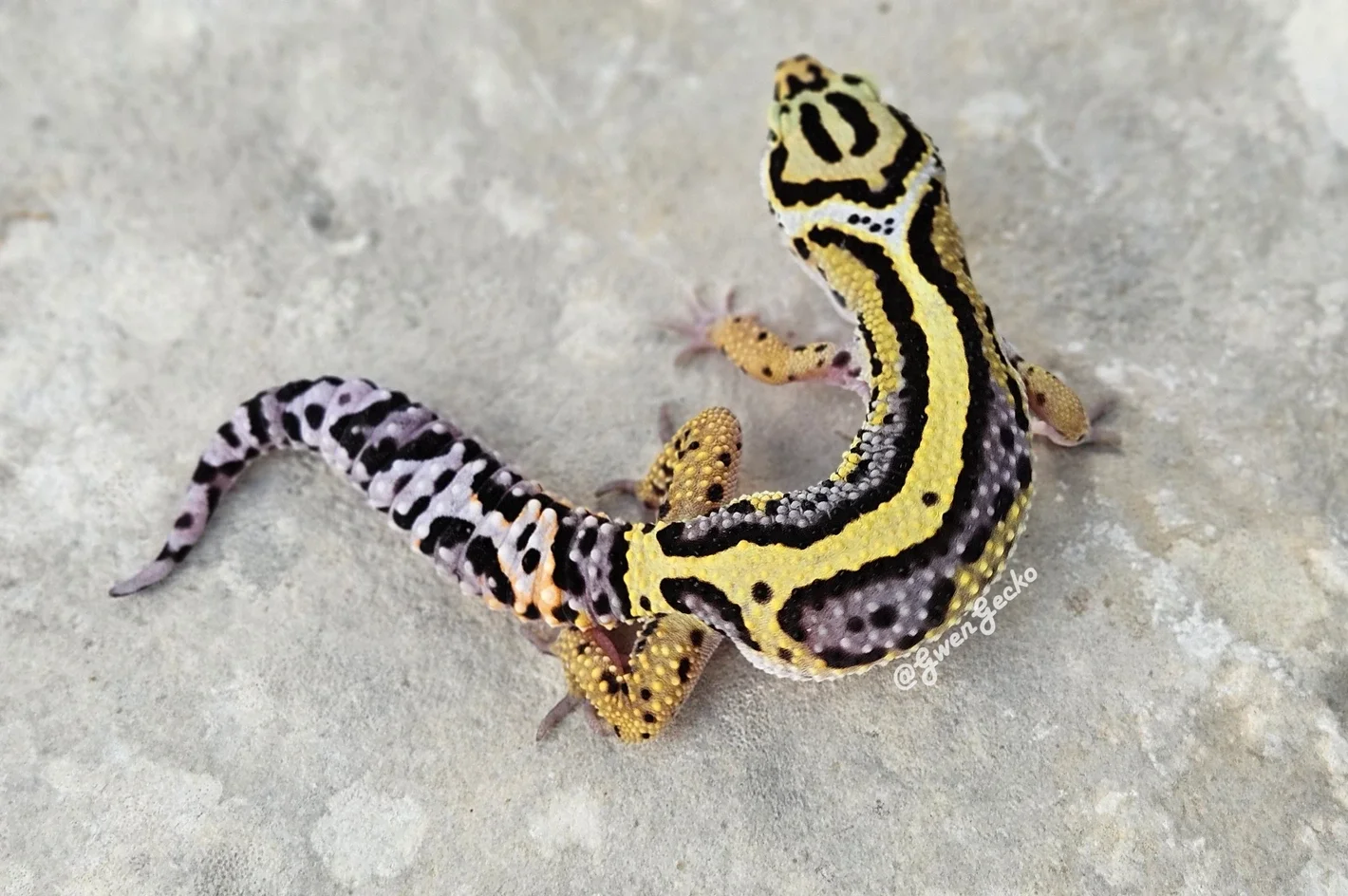
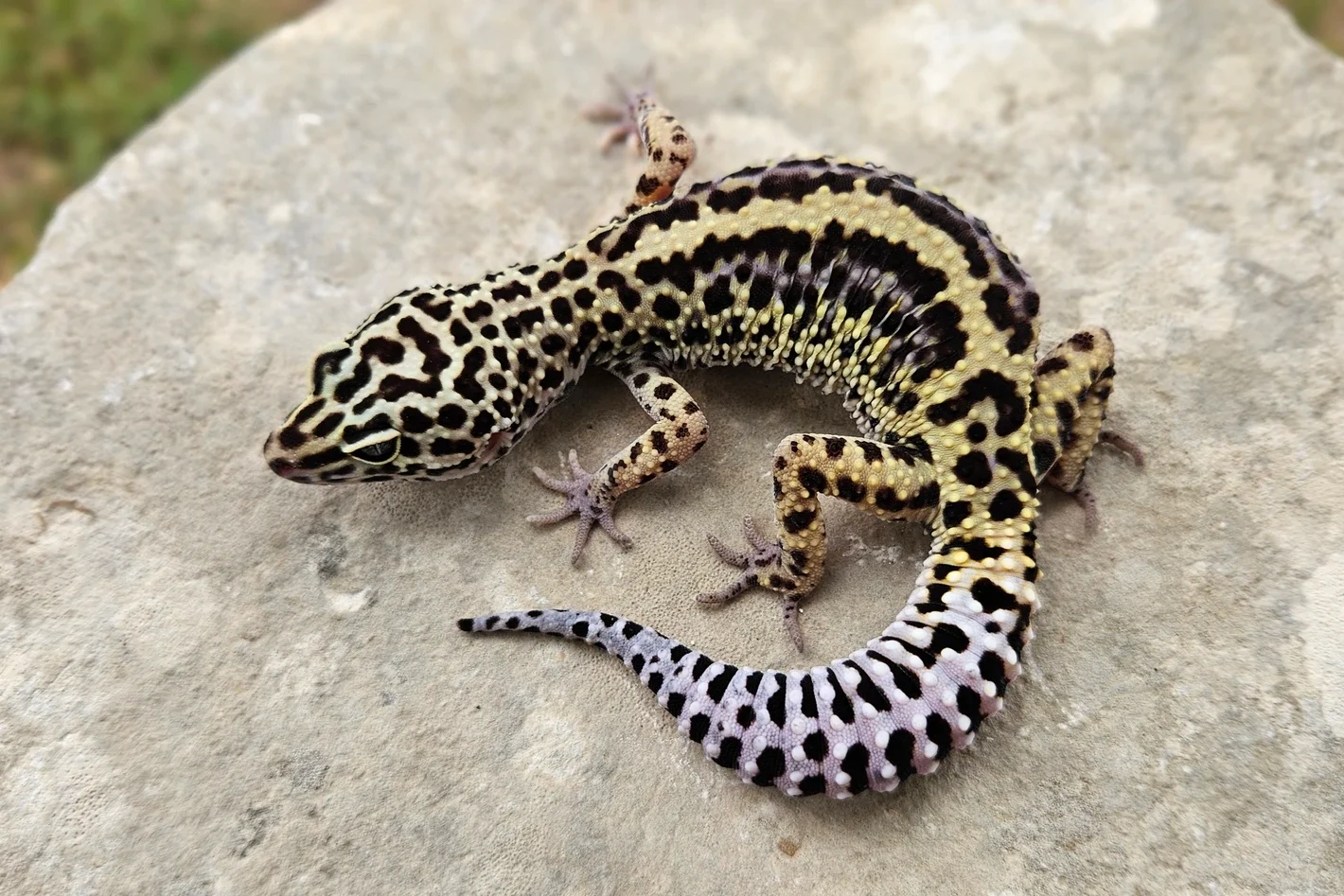
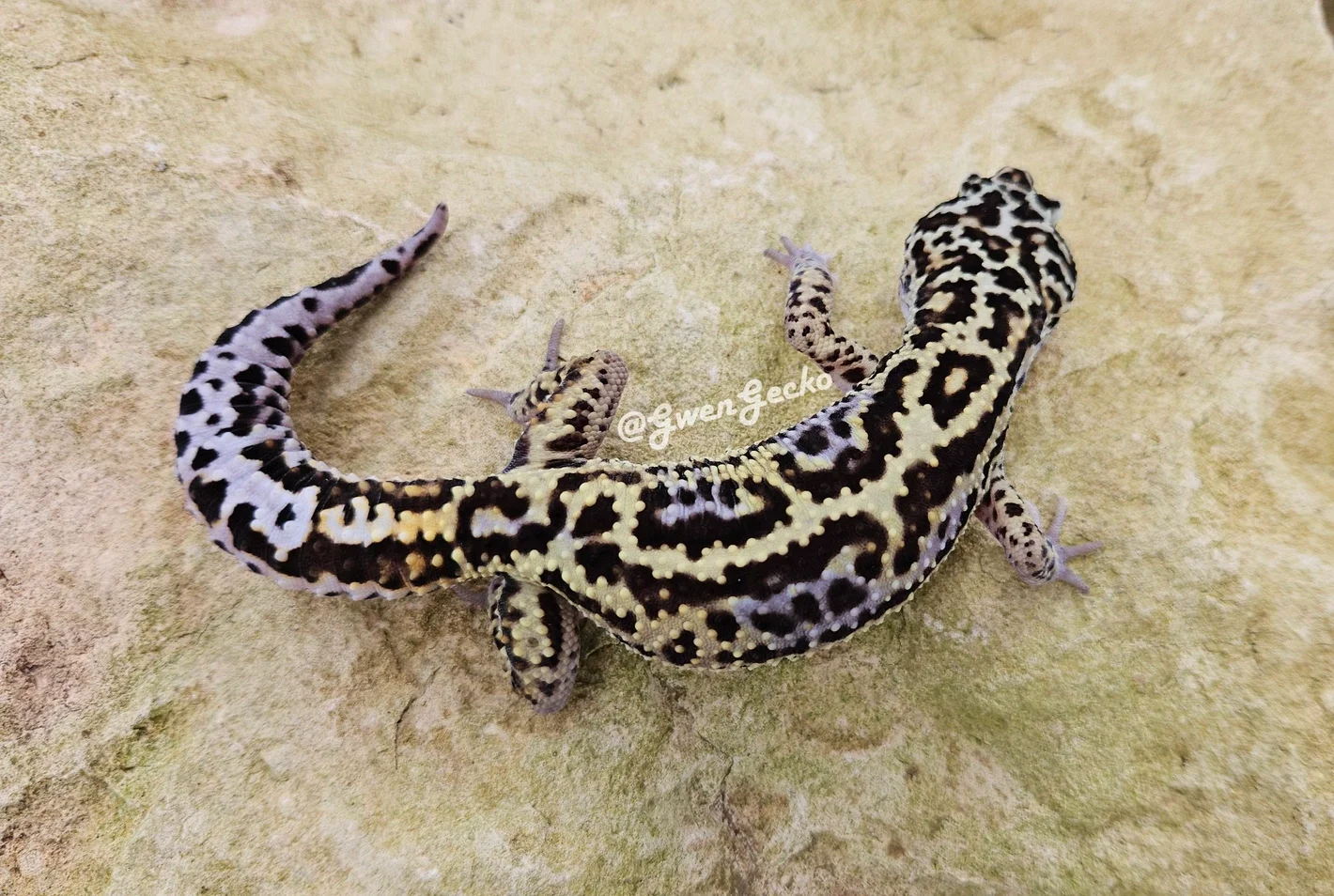
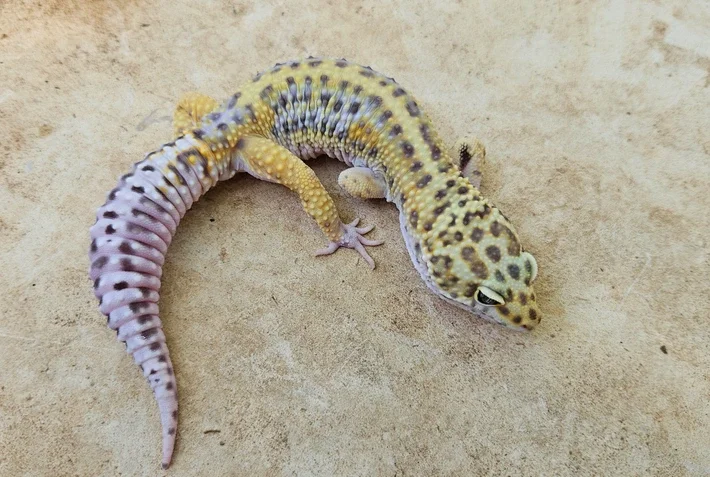
Fig. 33. Kaya’s orange and dark brownish gray paradox spots on her right shoulder. The spots have continued to grow in size with her, and are even larger/darker than these pics! I need to get updates!
Fig. 34. Dante - He has a paradox spot in the middle of his head. It was not there when he I purchased him but appeared after some months.
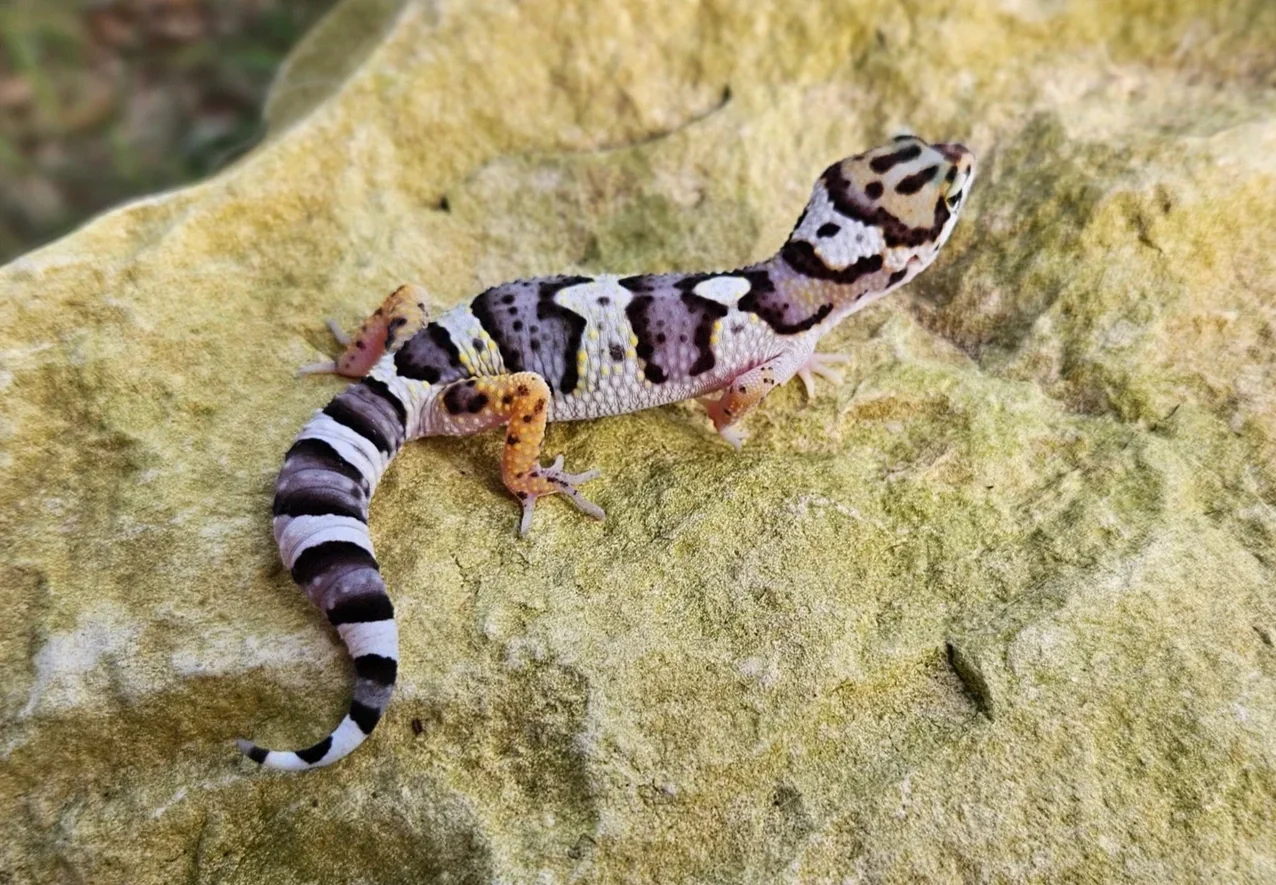
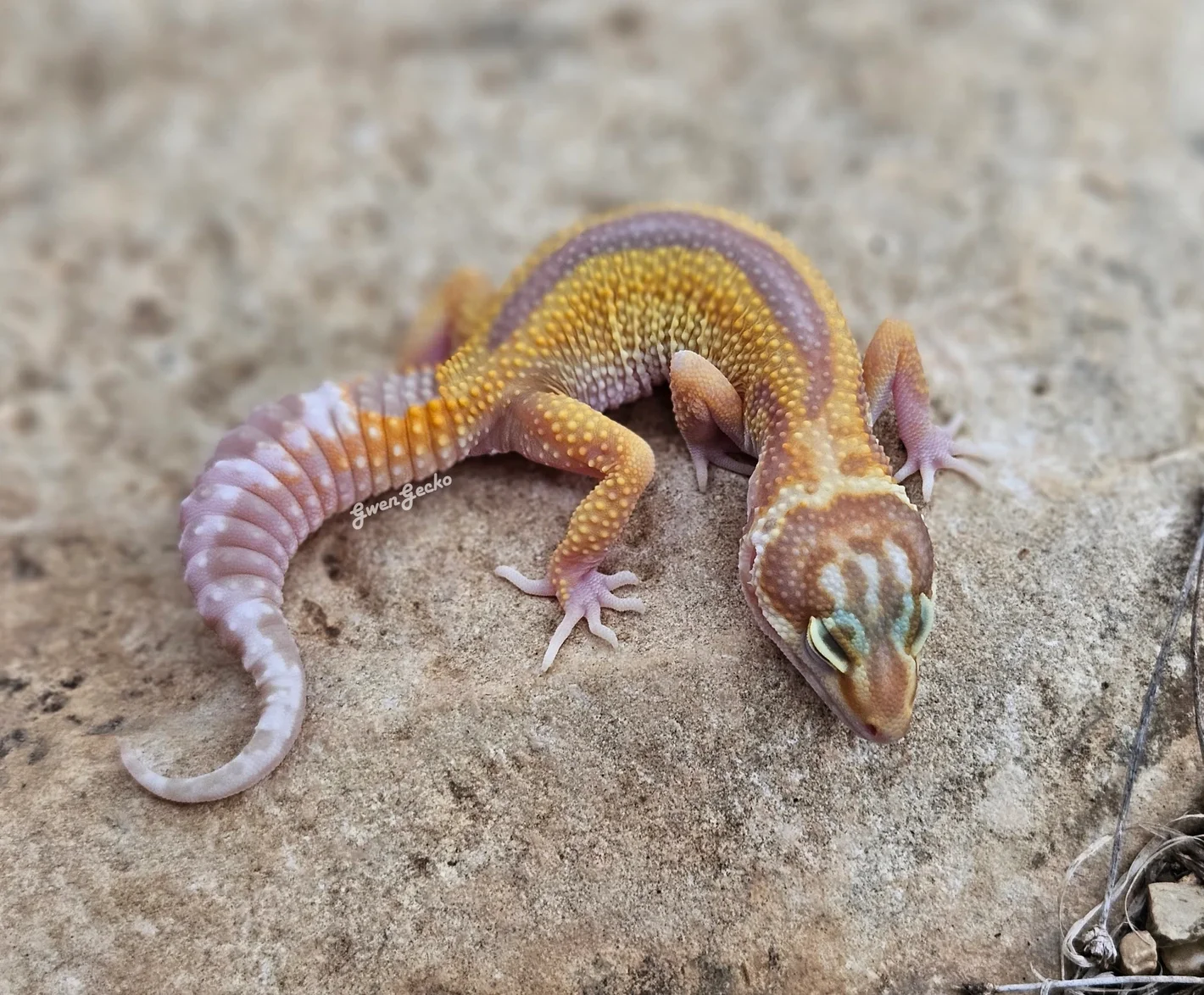
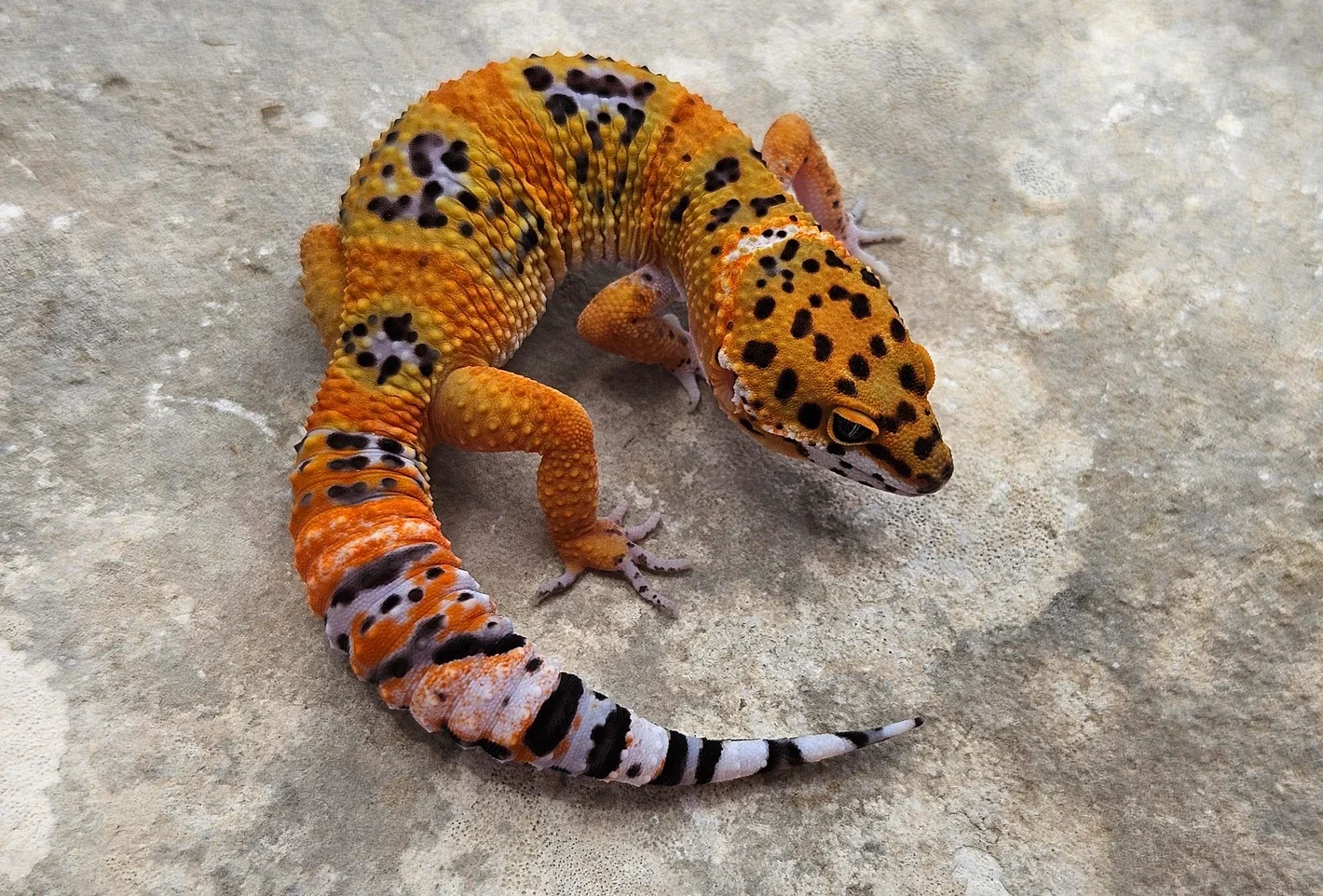
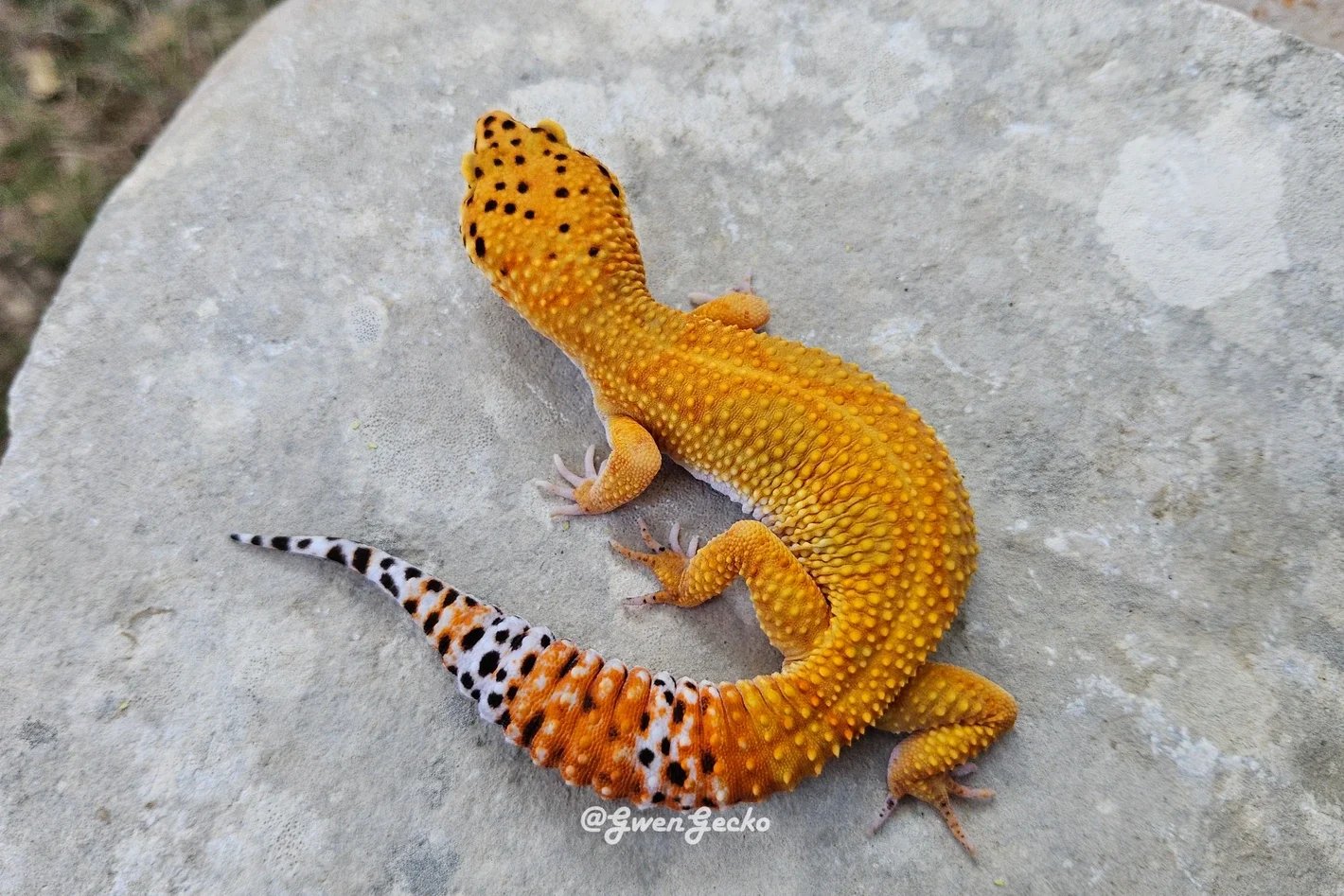
Tangelos are another one of my favorites, and are a line of tangerine Tremper albino that was developed and refined by Ron Tremper (Fig. 19. Luca ).
Fasciolatus (fascio) - Many breeders will outcross to various subspecies to improve genetic diversity within a line. E.m.m. x E.m.f. crosses tend to have brighter whites, pastel yellows, soft lavenders and a speckled pattern (See Fig. 30 Lorelei below).
Lavender (aka lavender bold, lavender stripe)
Like tangerine, Hyper Xanthic and Emerine, Lavender is a color morph that has been line bred over generations to intensify purple tones throughout the body and is incredibly difficult to breed for, as most juveniles tend to lose their lavender underneath yellow, emerine and tangerine pigments as they develop.
JMG was one of the first to set out to create lavenders back in 2003 (Fig. 24. Rowdy). The best lavenders retain their color throughout their lives. Our Dante (Fig. 20.) is an exceptional lavender stripe that originated from Geckos Etc. stock, and is one of the foundational males of our lavender projects. He has strong lavender sides and bold spots. Rowdy is a new 100% JMG line lavender with no known hets that we are adding to our group very soon, as Dante may be retiring soon.
Other lavender lines we work with include the Gecko Gallery line (Fig. 21. Skadi) and Dragoon dark and ghost lavenders (Fig. 22. Ophelia and Fig. 23. Allistar).
Recessive Traits
Albinos
Tremper (Texas) Albino - Ron Tremper was contacted by some of his clients in 1996 asking if they had hatched an albino leopard gecko and sent him a photo. Sure enough it was the first reported albino leopard gecko and her name was Rosie. Rosie unfortunately passed before having any offspring, but the project continued with Ron breeding her brother Bubba, and the first Tremper albinos debuted in 1999. Ron wrote a great article in Reptiles Magazine in 2009 about this discovery and his breeding efforts in the late ‘90s, which you can (partially) read here: Tremper Albino Leopard Gecko. There have been several lines of Tremper albinos from Sunglows, Red Diamonds, Tangelos, Coppers and more! Tremper albinos can have a range of body colors (just not black!), and have silvery eyes with red veins as adults.
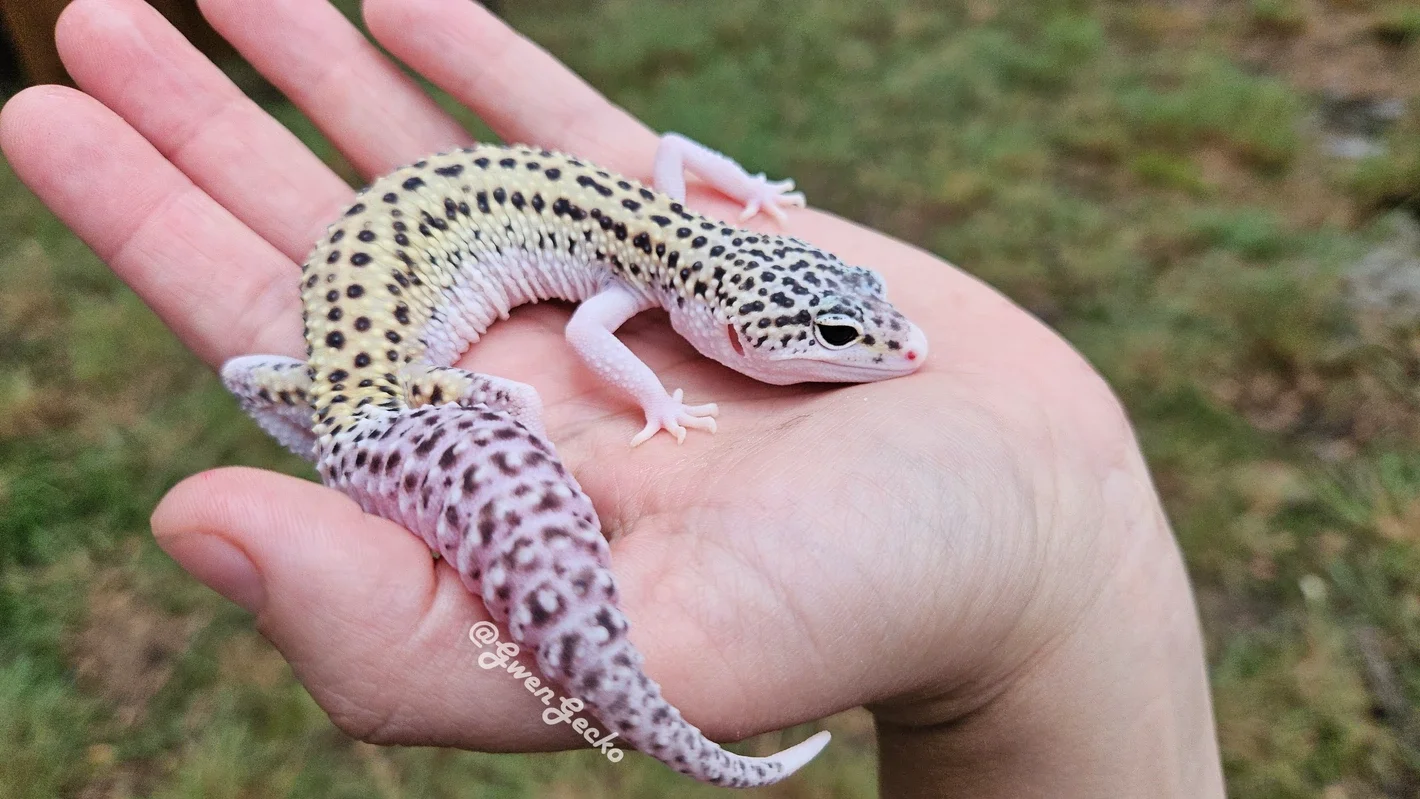
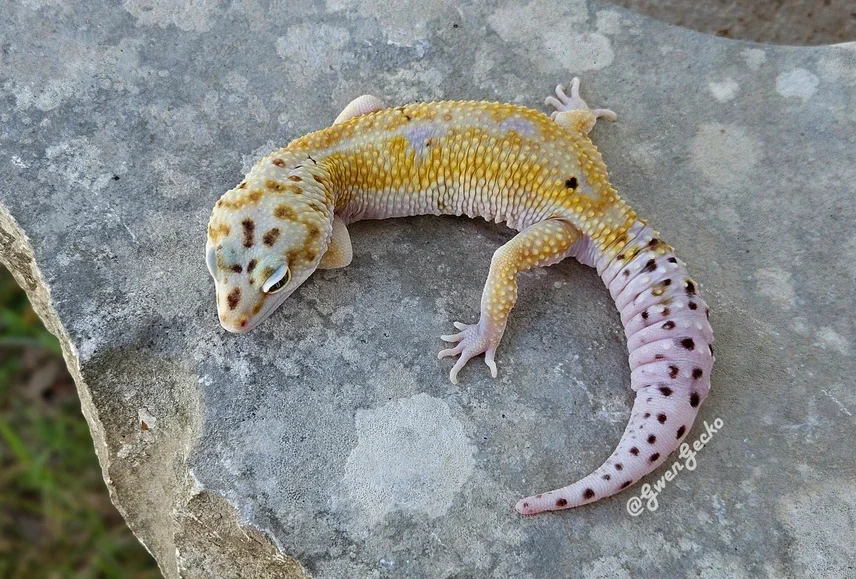
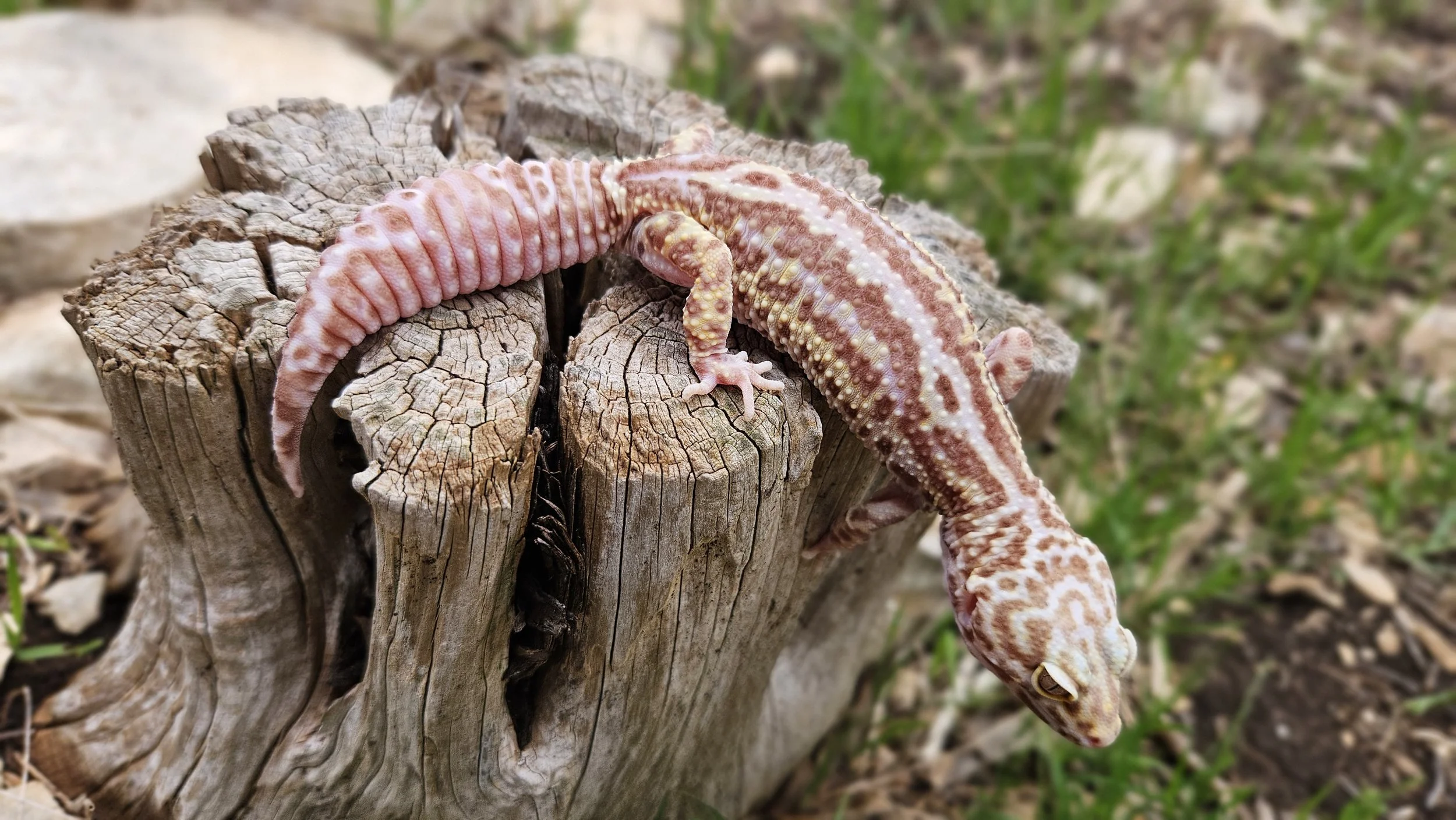
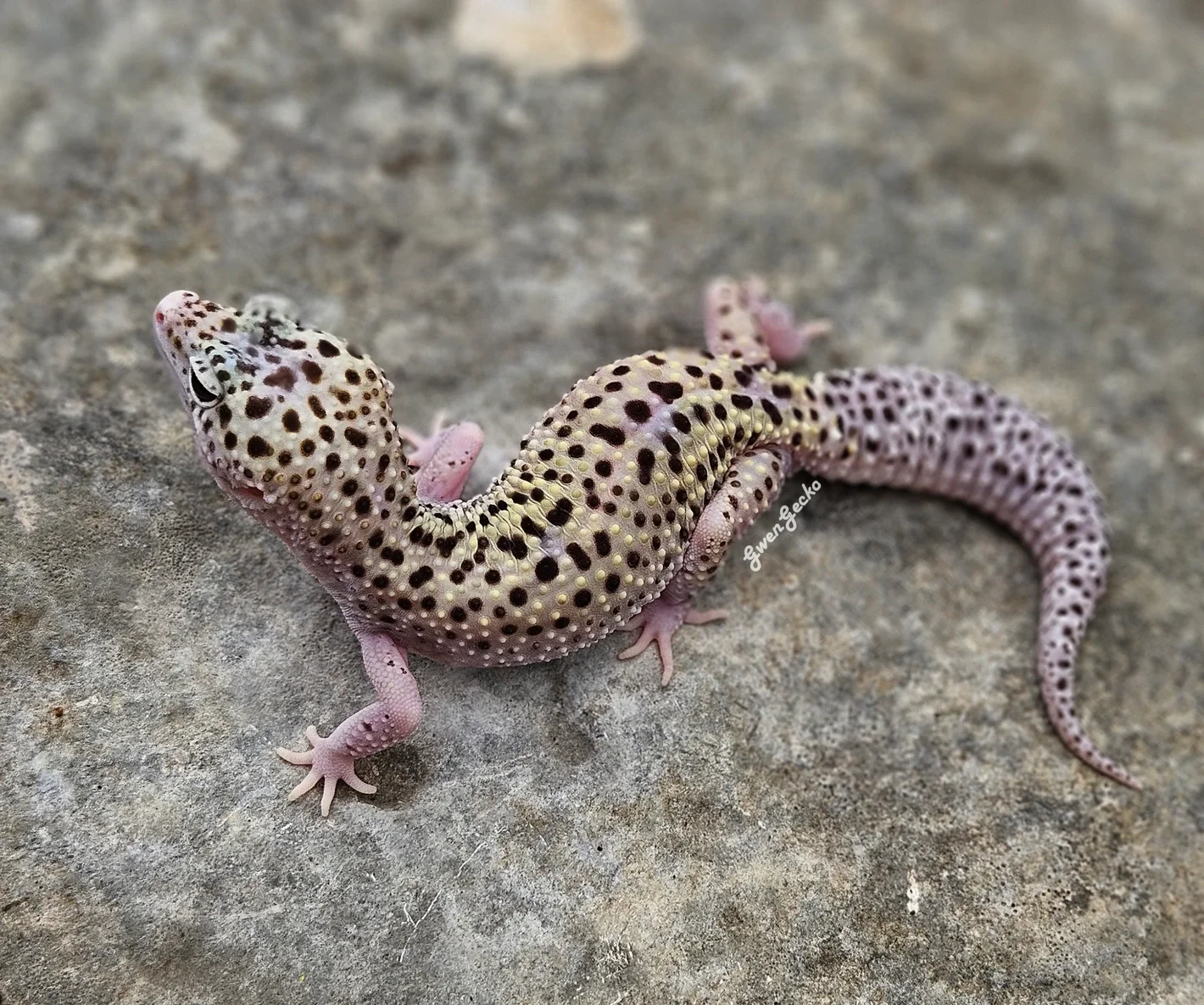
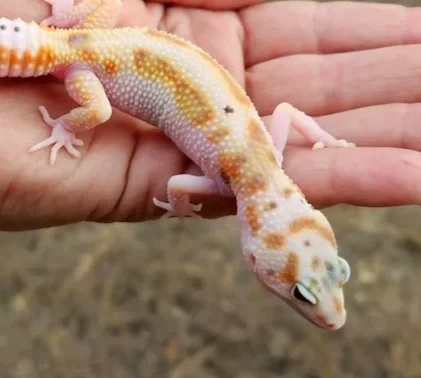
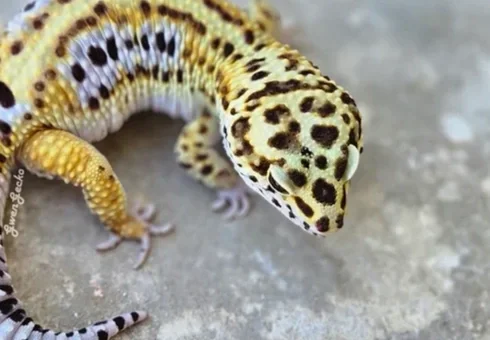
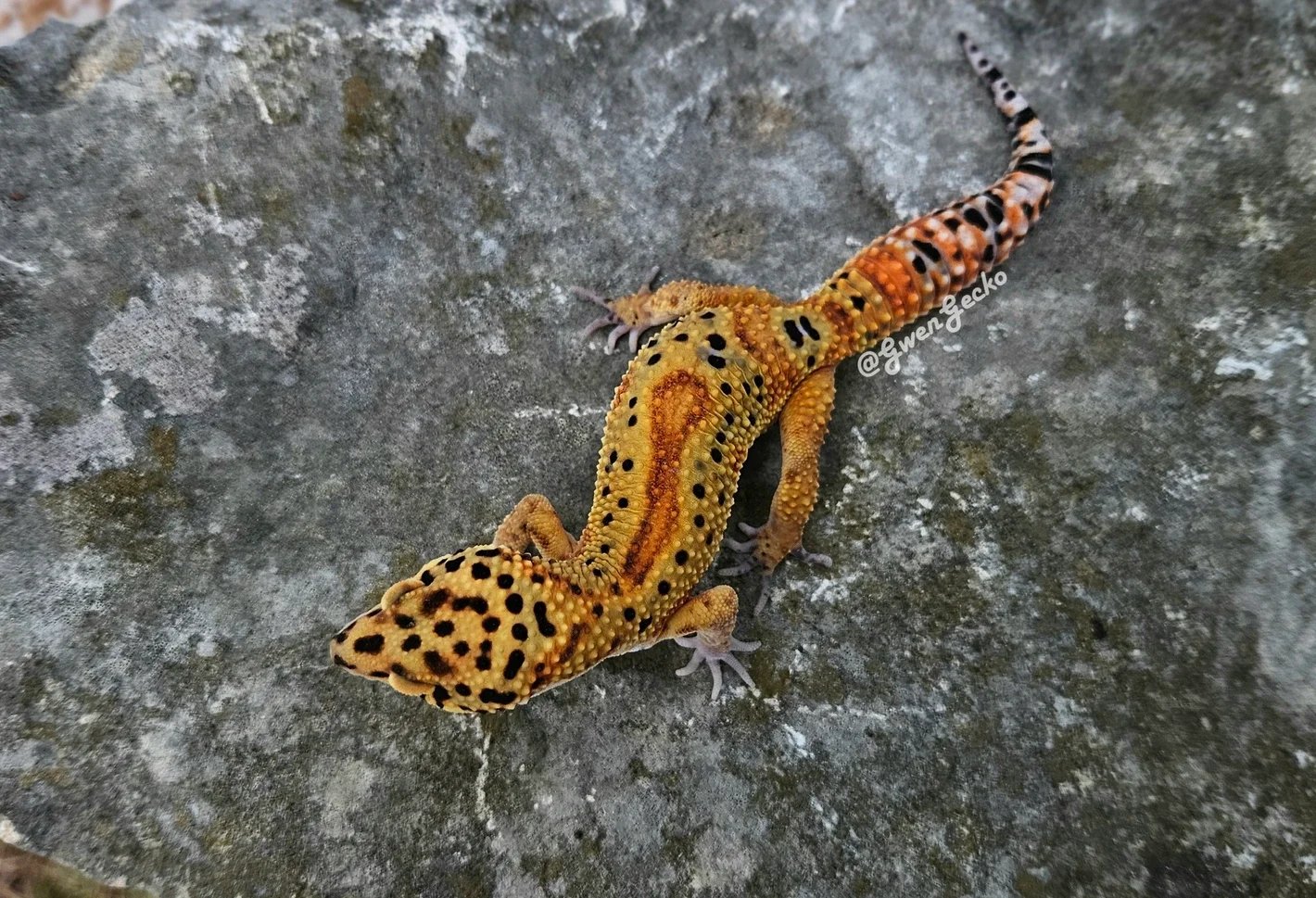
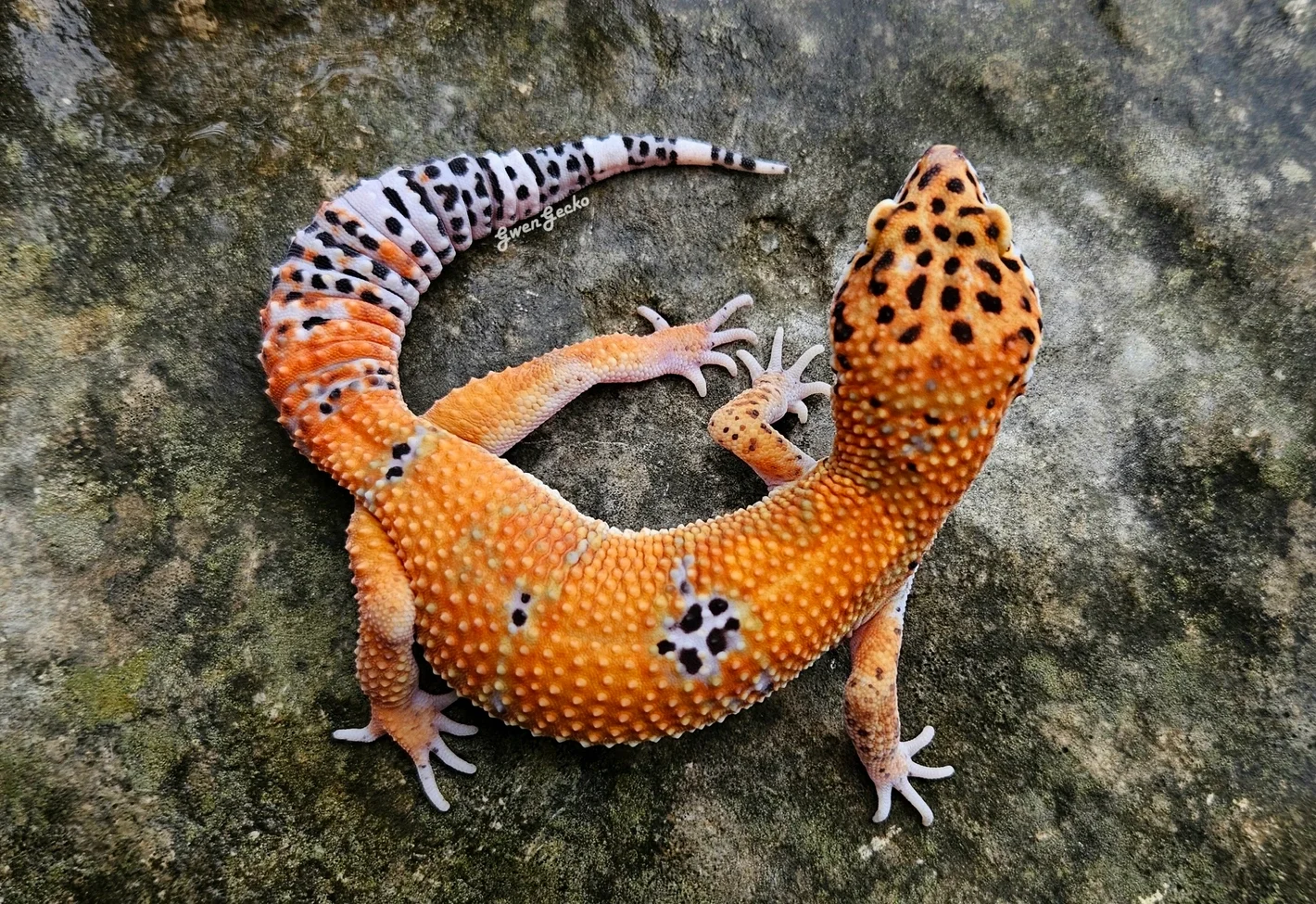
Fig. 26. Tulip - Tangerine Typhon (Rainwater Eclipse) from RedHot lineage
Fig. 25. Ebi - Tangerine Lavender Stripe Bell Albino
Bell (Florida) Albinos were discovered by Mike Bell of Reptile Industries and typically has darker pigment than Trempers, though that can be linebred in different directions like the other two strains. Bells typically have a lot of lavender tones and light pink eyes.
Rainwater (Las Vegas) Albinos were first produce in 1998 by Tim Rainwater (Fig. 26. Tulip). They usually have gray eyes (Typhoons (RW eclipses) can even have black eyes!) and a beautiful pinkish hue to their bodies.
Eclipse (Fig. 27. Heather) first appeared with Tremper albinos in the RAPTOR combo morph in 2004. IT’s a beautiful eye trait where part or even all of the eye is solid black (or red). Snake-eyed eclipses have partially black eyes.
Dominant Traits
White and Yellow is brightens yellows and oranges and increases the amount of white on the body. High white sides is another characteristic (Fig. 28. Atom). Check out White and Yellow History by Geckoboa for more info on where WY came from, and .
The Ghost gene tends to lighten a gecko’s pattern markings, mutes yellows and tangerines, and enhances lavender and emerine. It also has the tendency to change depending on time of year or mood. Allistar, for example, likes to stay on the “smokey” side. Hypo ghosts were the first to pop up in the hobby, with both Ray Hines and Alex hues working with hypo line ghosts in the 90’s. Dragoon Gecko picked up the first banded ghosts from Alex and Mack Snow Ghost Jungles from Artlinks Geckos and has been working with and refining them since. Read Rebecca Hassler’s article on Ghosts here: Ghost Leopard Gecko Morph (See Fig. 27. Heather and Fig. 22. Allistar).
Gem Snow was created by Jim Holler of Reptilian Gems. When bred to a Mack snow supers can be produced, so some believe it is a Mack Snow or potentially allelic. I am just starting with Gem snows and have no plans to cross them into our Mack Snows (Fig. 29. Paris). Gem x Gem has not produced a super form yet, however.
Incomplete Dominant Traits
Giant was developed by Ron Tremper in 2000 and is believed to be an incomplete dominant gene, with the super (homozygous) form being the Super Giant. Some people speculate that it’s a polygenic, linebred trait, however. I am not sure how you would tell without growing geckos out for several years. But I love big geckos so we do have a could Giants in our collection including Lorelei (Fig. 30), who descends from Ron’s Godzilla line of Giants.
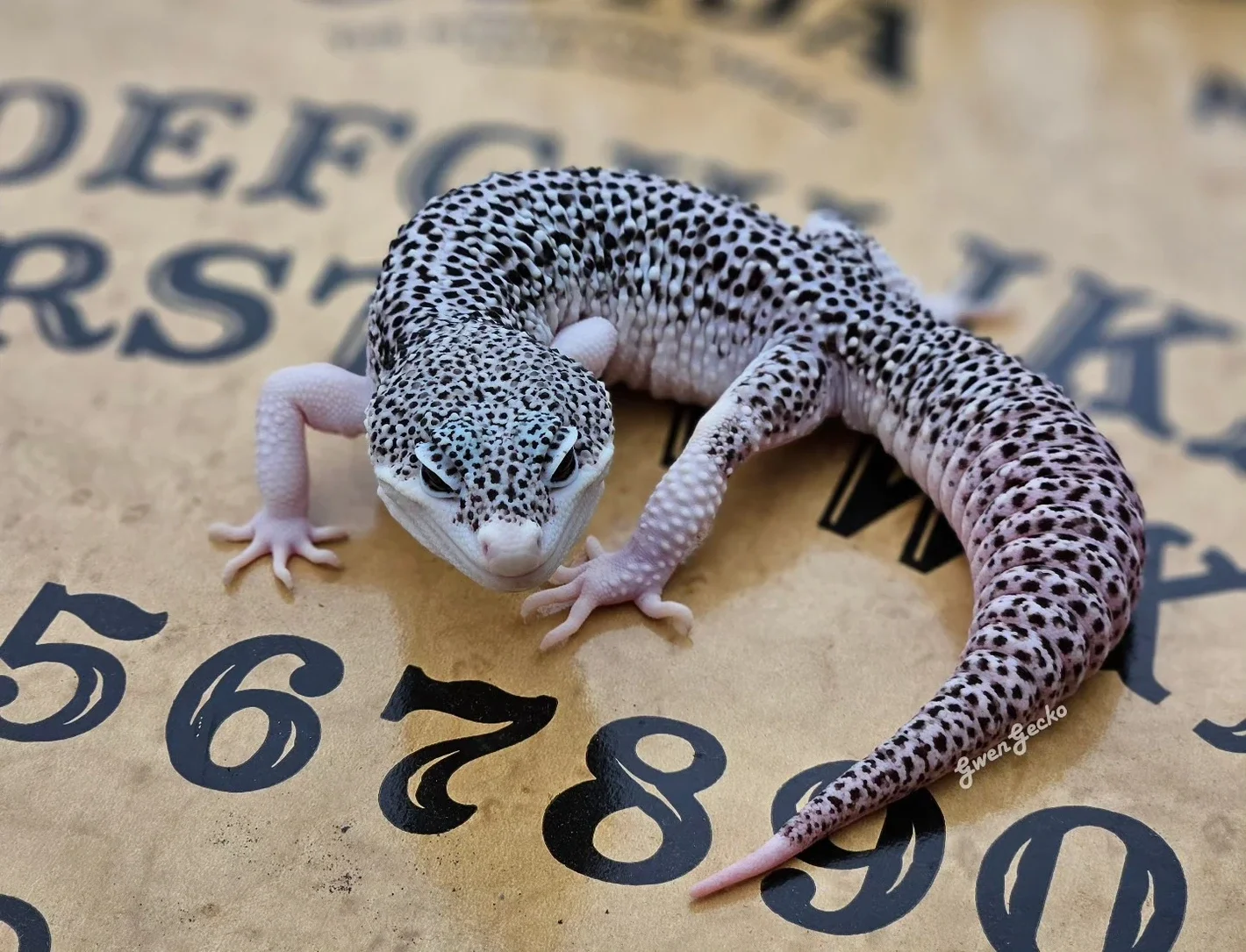
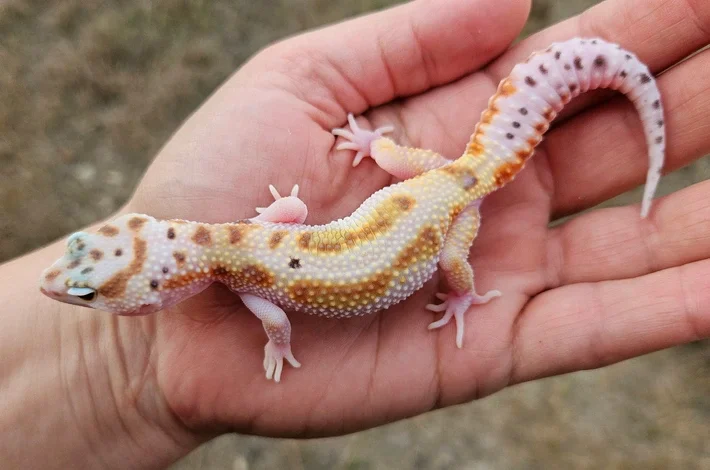
Fig. 32. Kaya - Paradox WY Emerine from Red Stripe, Rainbow, Extreme Emerine and Clown lineage. She did not hatch out with the spots but they have only recently appeared in the past few months.
Fig. 31. Steven - Super Mack Snow Eclipse het Tremper Albino
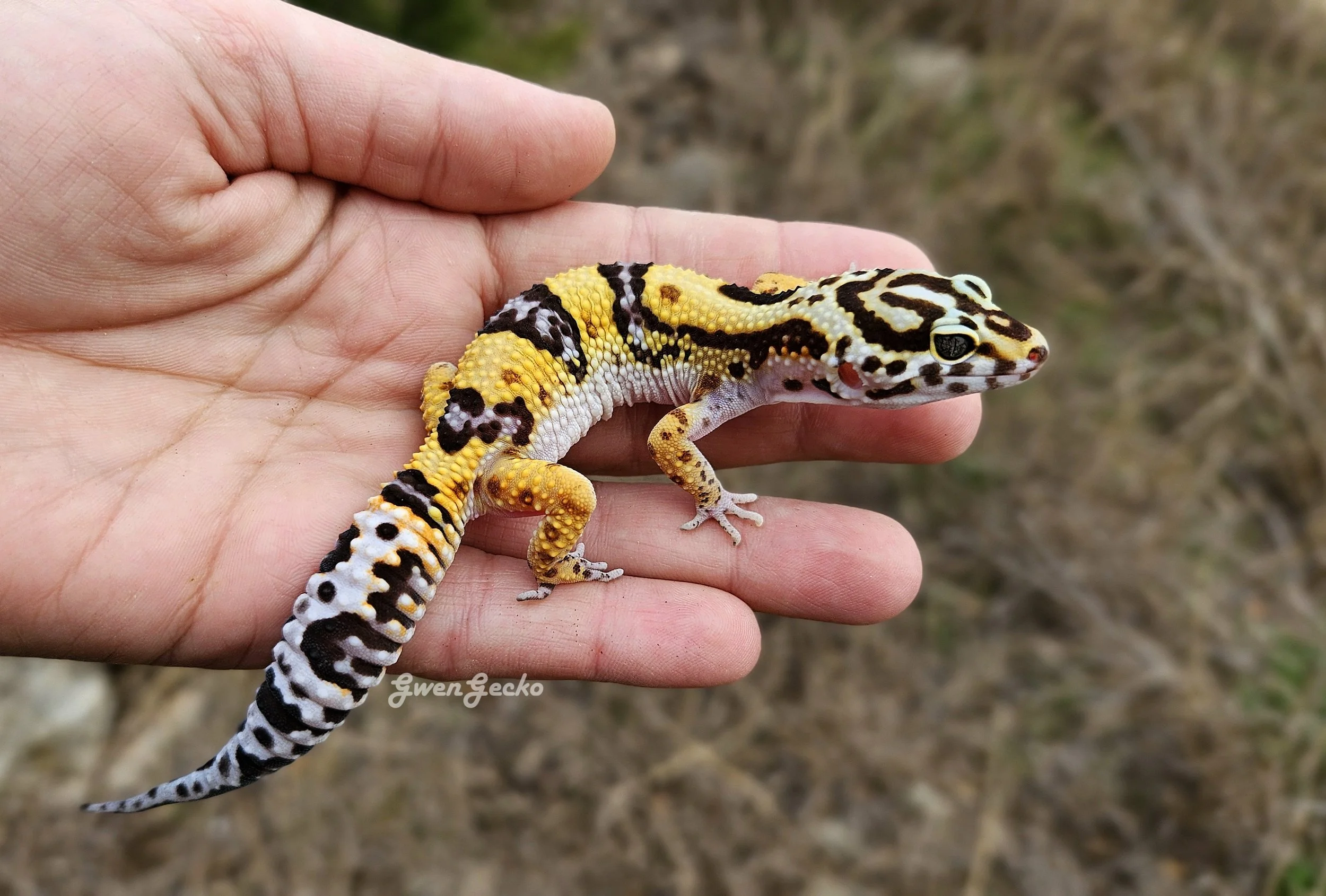
Mack Snows came from Reptiles by Mack and are the only morph we know (so far) that can not be reliably temperature sexed. The super form creates the Super Snow (Fig. 31. Steven).
Other Traits & New Stuff!
Paradox spots are random spots that appear anywhere on a gecko that do not “belong” so to speak (Fig. 32. & Fig. 33. Kaya, Fig. 34. Dante, Fig. 35. Sorrel). We have seen them change in shape and size, sometimes appearing out of nowhere. Their inheritance is unknown at this time but they do run in some lines, so there could a genetic component to at least some of them. Our White & Yellows and Lavenders throw a lot of paradox spots, and we have had a Mack Snow hatch with a big tangerine spot on her head that she still has, though it has faded some. Kaya has some really distinct paradox spots including a very large one that has a red dot in the middle and keeps getting bigger, one on her back that has spidery edges and also continues to get bigger. Some paradox spots remind me of birthmarks, and they can even be present on Albino geckos. They are not the same as a mosaic or chimera. Atom, Kaya’s grandfather, had at least 9 paradox spots on him, and his son Tofu (her dad) has at least 2 very small ones. Steven’s father was a Super RAPTOR and had yellow paradox spots, and Steven has a darker area that might be a paradox spot, but it’s hard to tell.
Desert Bold - Our DB stock comes from KC Reptiles and B&M Geckos (See Fig. 36. Toby, Django’s daughter). This gene popped out in Ron Tremper’s collection but was not understood at the time. He called it Cinnamon, and released several of these animals along with others that may not have been cinnamons but darker Tremper albinos. Over time different people got different results when working with them. Some believed Cinnamons were a line of dark Tremper albinos, while others saw dramatic results that could only be described as something genetic. Several breeders have been working with the gene and releasing some animals to the public the past few years. It is still unknown exactly what the inheritance mechanism is, but it is somehow linked to Tremper and/or eclipse.
New information is coming out as things are learned, so be sure to check in with the industry’s top leo breeders! Jon Scarborough of Geckoboa’s current hypothesis is that the gene is allelic recessive with Tremper albino. In other words, two copies DB = DB and one copy DB plus one copy Tremper = Cinnamon.
Below are our own observations with our DB pairings so far. We are just starting our DB project and so will add our observations below over the next few years.
Fig. 35. Sorrel - Paradox White & Yellow Mack Snow het RAPTOR. She has a large tangerine/orange spot on the rear left side of her head; it is harder to see now that her yellows are coming in.
Fig. 36. Toby - Desert Bold from RS x DB Bandit lineage
Desert Bold Project
Notes, thoughts, and observations - updated 3/17/2026
Just from the single pairing we made last year (Django x Sparrow), we can already rule out DB as being a simple recessive trait (dd x DD = Dd), as Sparrow was not het for DB, and thus there would not be any DB kiddos.
Here are 3 Punnett squares to show that if DB was inherited as a simple recessive gene, we would not see any DBs in the first generation. The only problem is, we did! So this cannot be true (continue to the next section below for the results from our first pairing!). Unless Sparrow is a DB het, but I do not think so.
Three Punnett Squares: Fig. A. Tremper (proven recessive), Fig. B. Desert Bold (hypothesis = simple recessive) & dihybrid cross with both (Fig. C.)
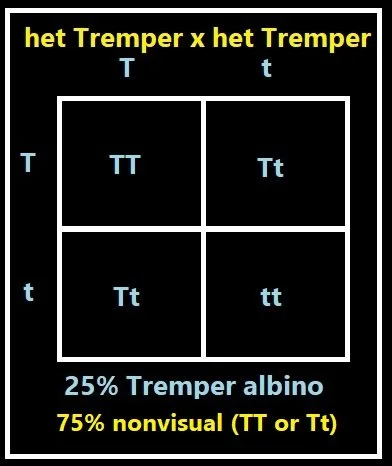
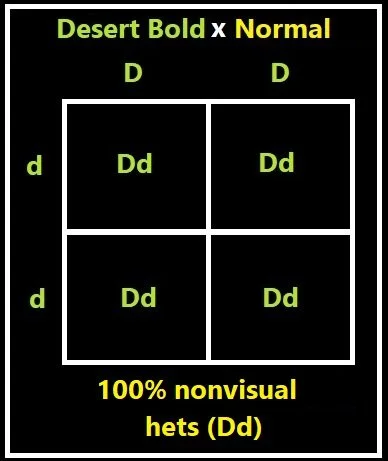
Fig. A. Tremper albino Punnett square. Expected phenotypic results would be 25% Tremper (tt) & 75% Normal/nonvisual hets (TT + Tt)
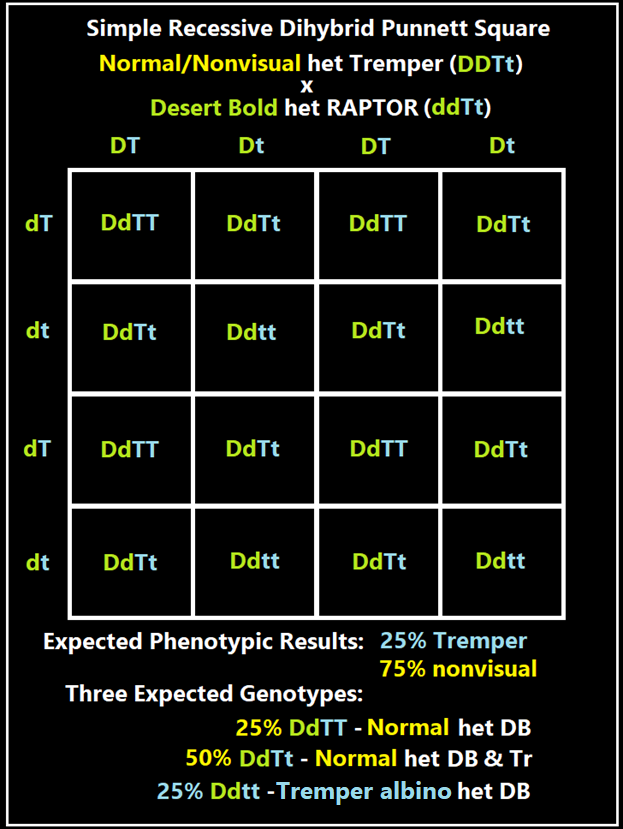
Fig. B. Desert Bold Punnett square if DB were a simple recessive trait. Expected phenotypic results would be 100% nonvisual hets (Dd)
Fig. C. Dihybrid cross DDTt x ddTt if DB is recessive (dd) like Tremper. Expected phenotypic results form this cross would be 25% Tremper het DB and 75% normal/nonvisual het DB.
HOWEVER, we did not get these results! We should not have hatched any DBs/Cinnys at all, but instead normal/nonvisual animals het for DB if it behaved like a simple recessive gene. We didn’t get ANY normals!
First DB pairing results - updated 3/19/26
Django (Desert Bold het RAPTOR) x Sparrow (White & Yellow Red Stripe het Tremper) pairing made in 2025.
Results: 3 DB/WYDB and 1 Tremper; & 0 normals/nonvisual
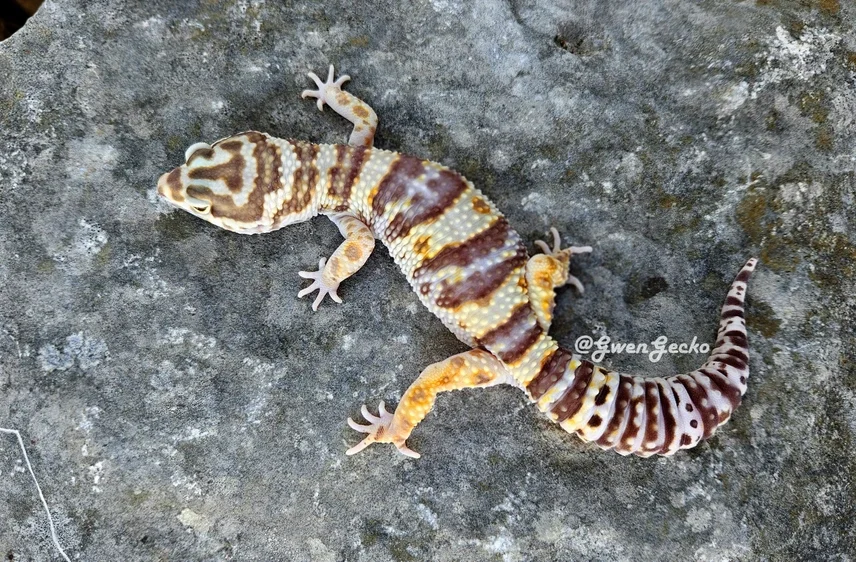
Fig. D. Django (DB het RAPTOR)
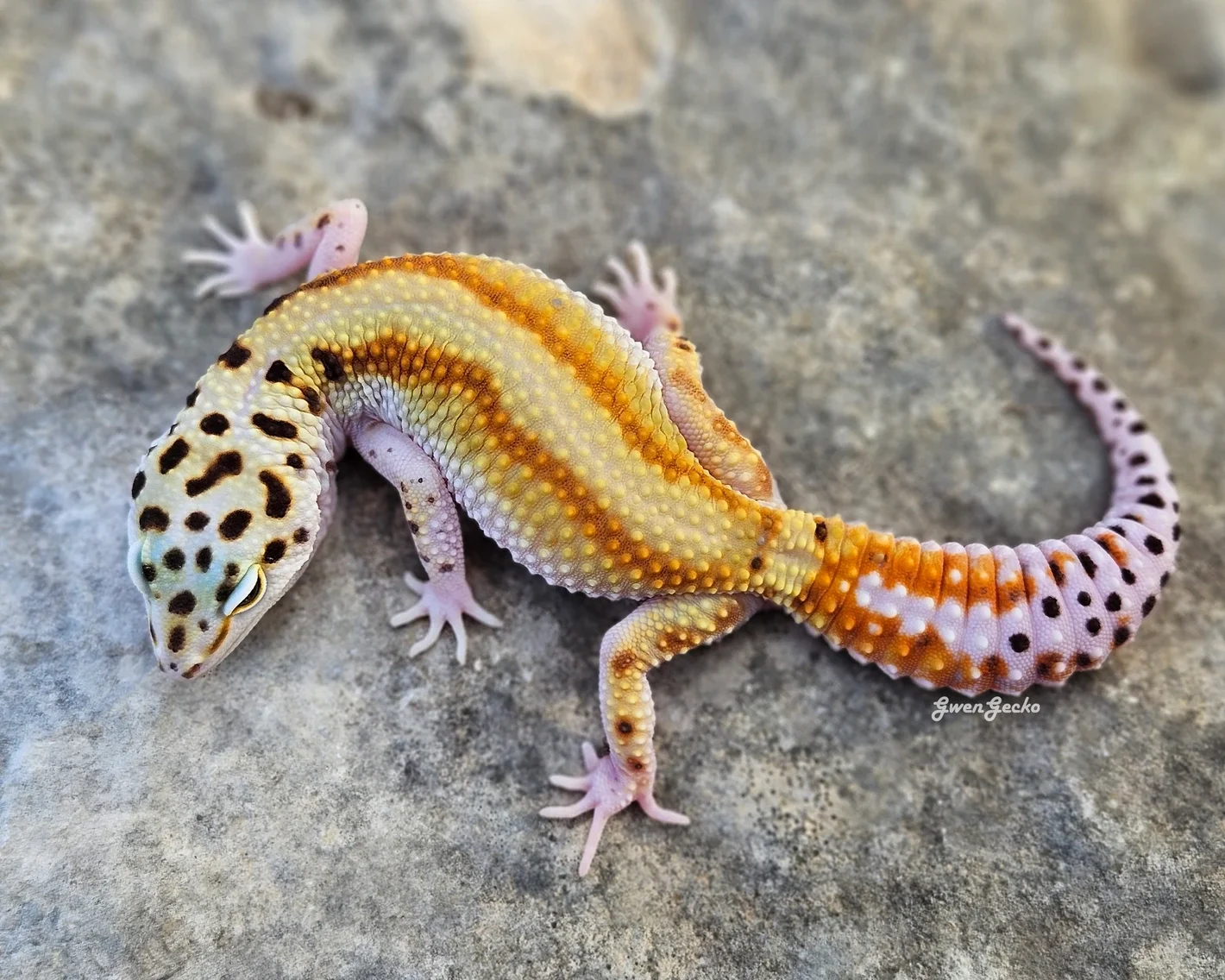
Fig. E. Sparrow (WYRS het Tremper)
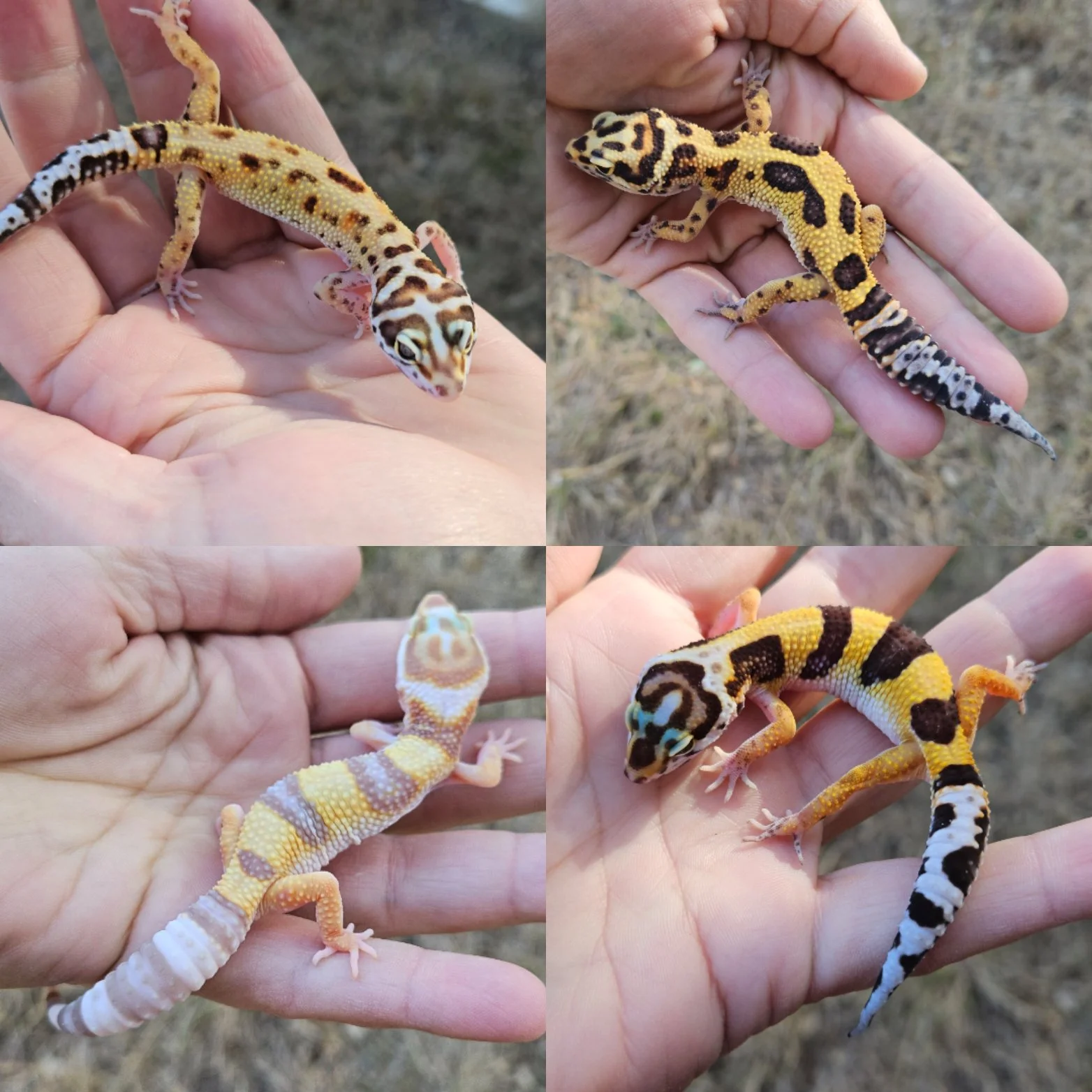
Fig. F. Our results from this pairing. 3 look DB/poss. Cinnamon (also poss. WY), & one banded WYRS Tremper
How else might our results be explained? - 5/18/26
DB could be dominant - where only one copy of the gene (allele) is needed in order to be phenotypically expressed. Both homozygous and heterozygous forms express the gene, and there is no major difference in appearance between them. The single copy fully determines the phenotype, regardless of the other allele.
DB could be Incomplete Dominant - where only one copy partially expresses the gene phenotypically, and two copies creates a “super” form where the gene is fully expressed. An example of an incomplete trait is Mack Snow, where one copy creates the Snow phenotype, and two copies makes a Super Snow. Both are distinctly different in appearance.
DB could be allelic recessive with Tremper albino - where one copy of DB + one copy of Tremper albino is expressed phenotypically though neither trait is dominant.